From the Palisades cliffs to Main Street, Fort Lee Scaffolding provides reliable site access and overhead protection, plus the planning and paperwork to keep projects moving.
In Fort Lee, construction work must protect pedestrians while keeping entrances and public routes accessible. From busy Main Street storefronts to high-rise buildings along Palisades Avenue, every site brings different challenges.
We plan, install, and maintain temporary access systems and overhead protection around your building, on schedule, and to applicable requirements. The result is a safer work area, clearer documentation and fewer avoidable delays.
Licensed and insured
Permit-ready planning
Urgent requests answered promptly
Local scaffolding company in Fort Lee, NJ, based at 1 Bridge Plaza N
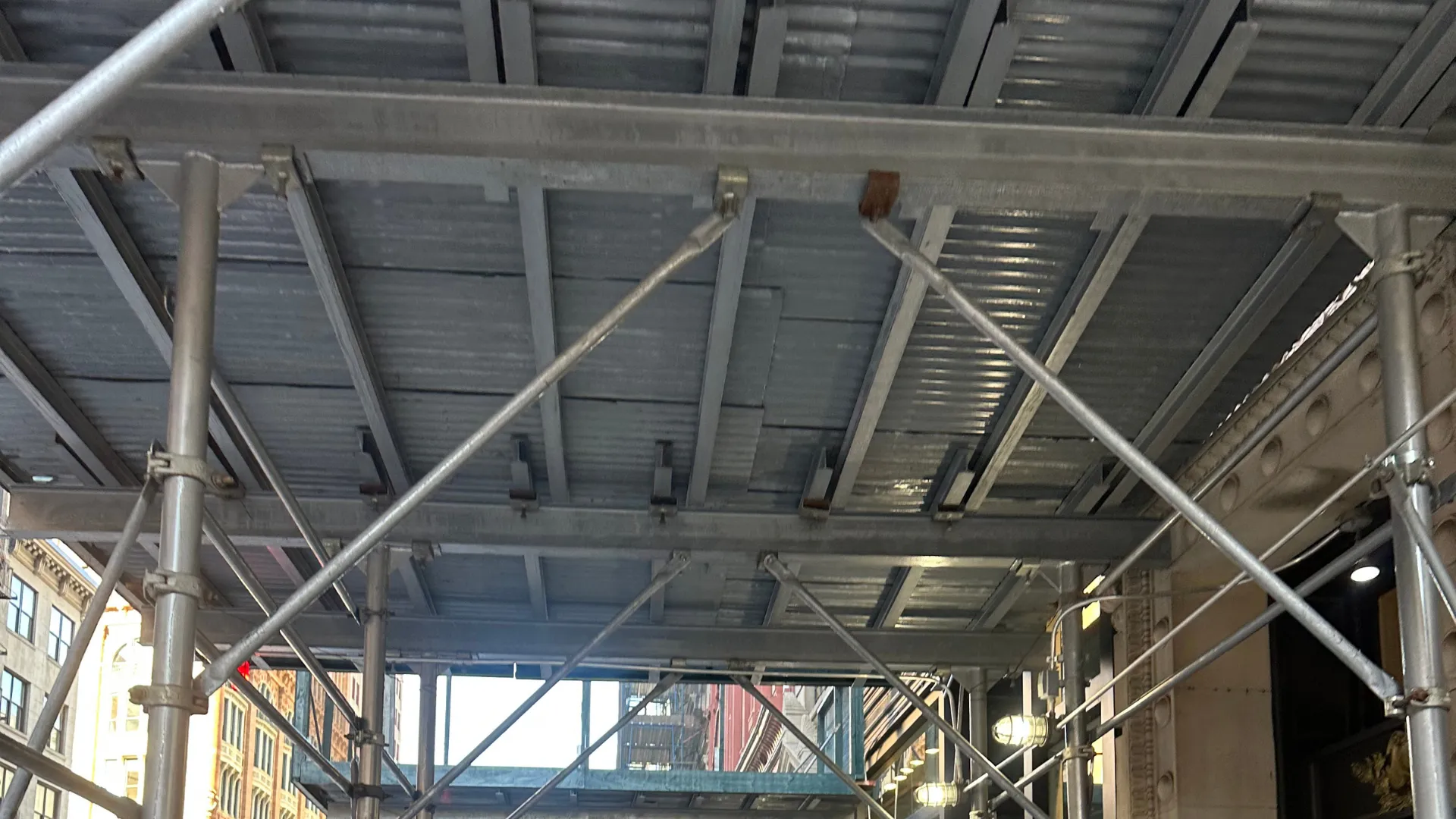
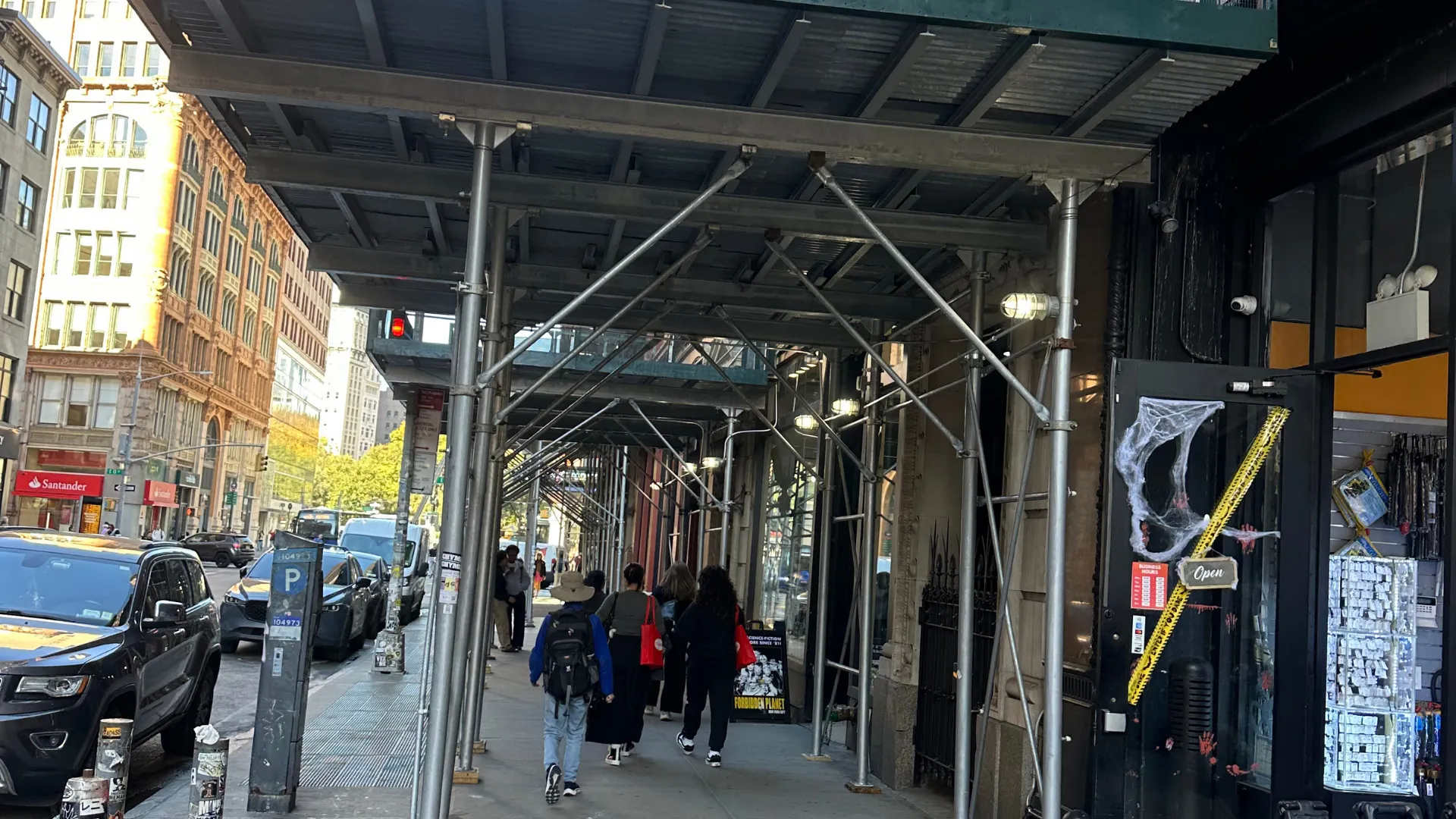
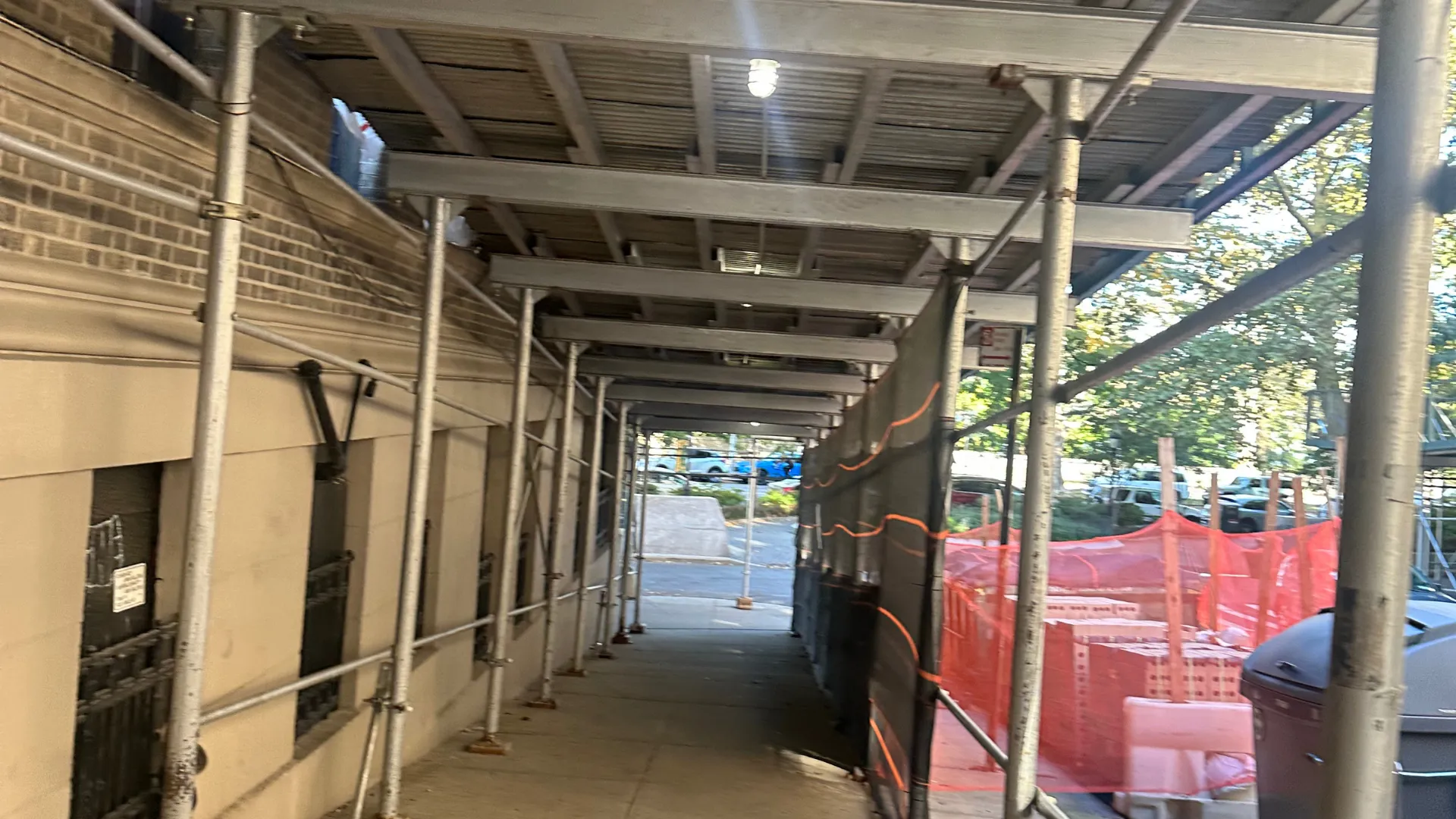
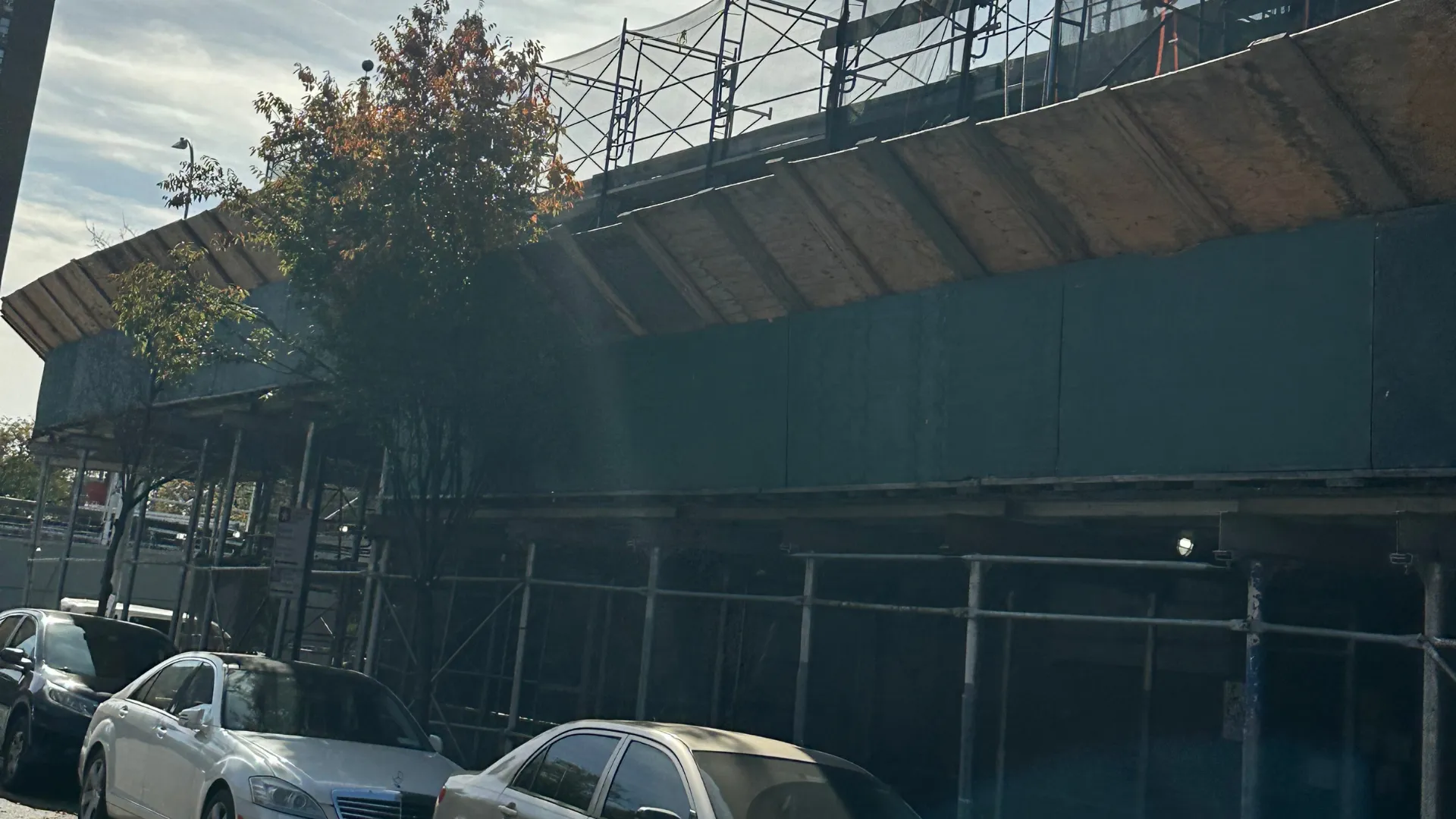
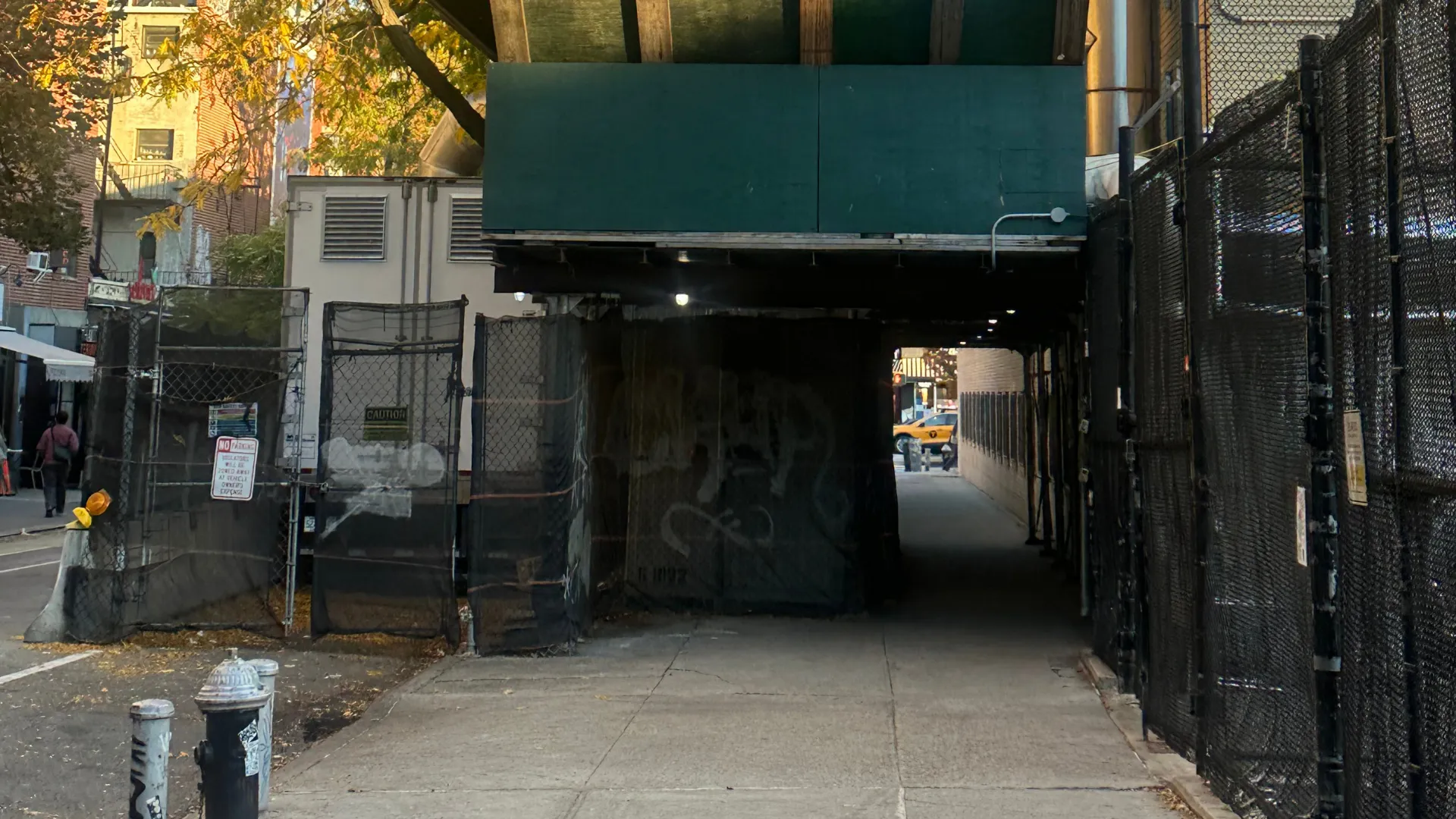
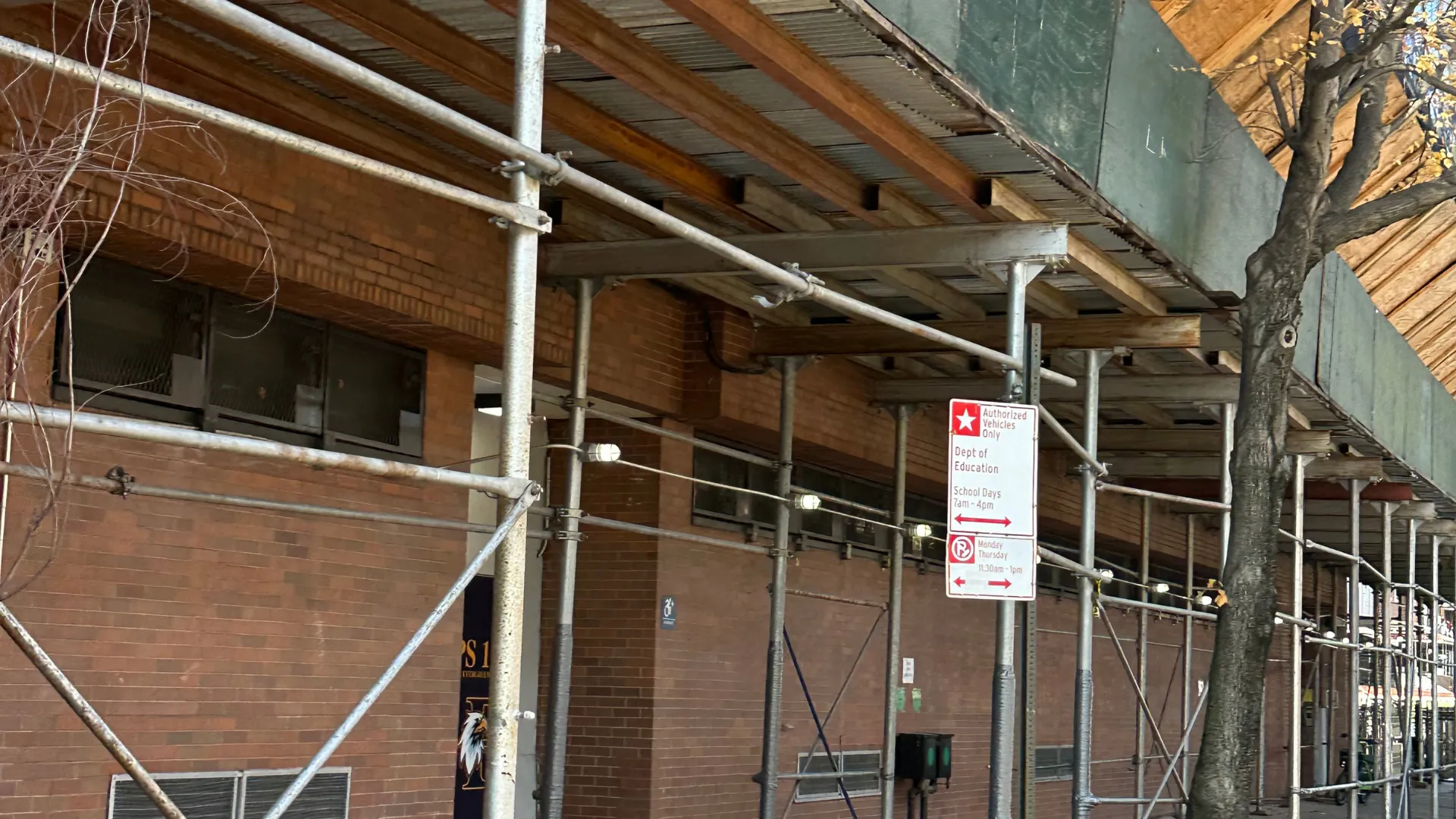
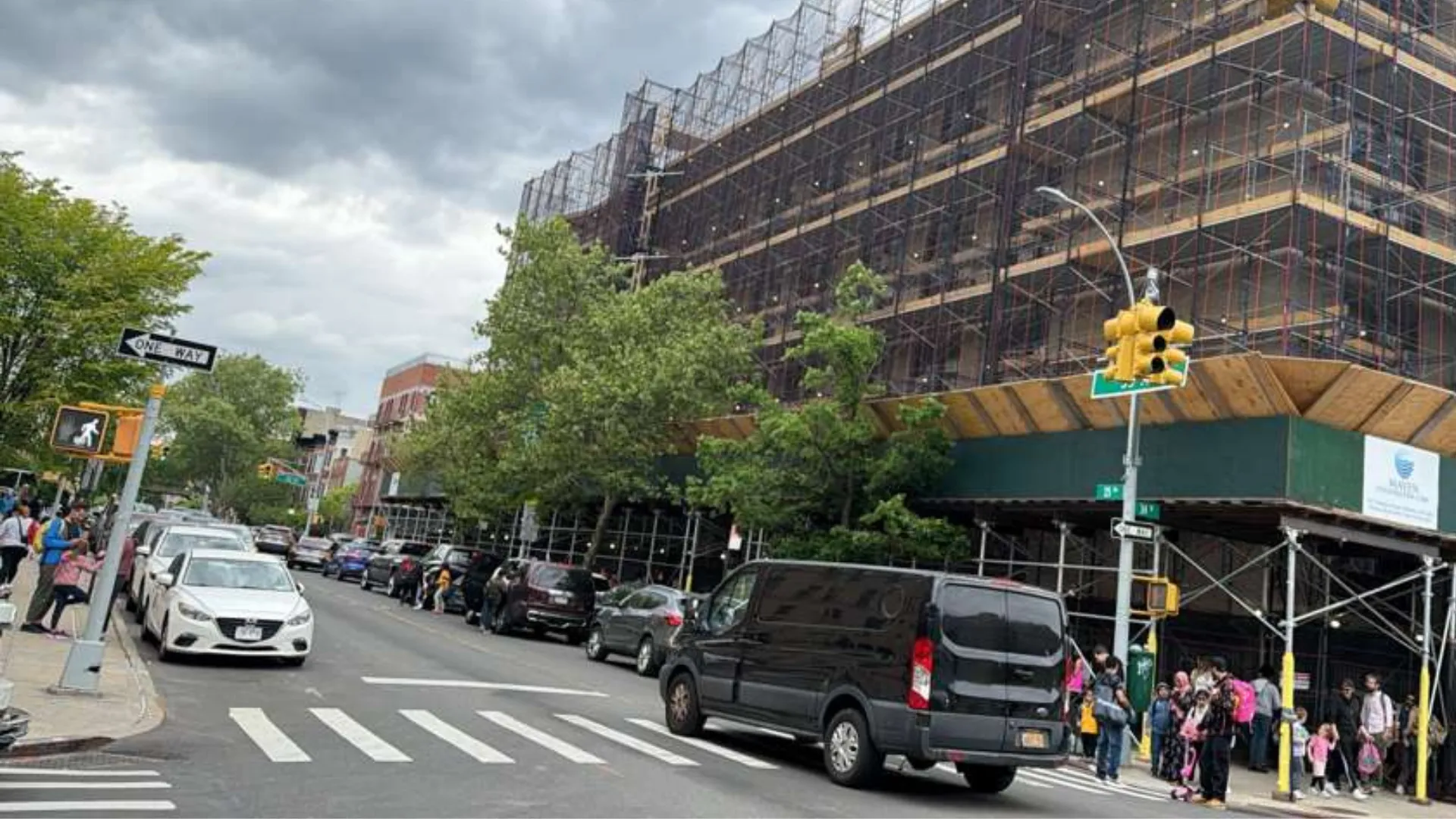
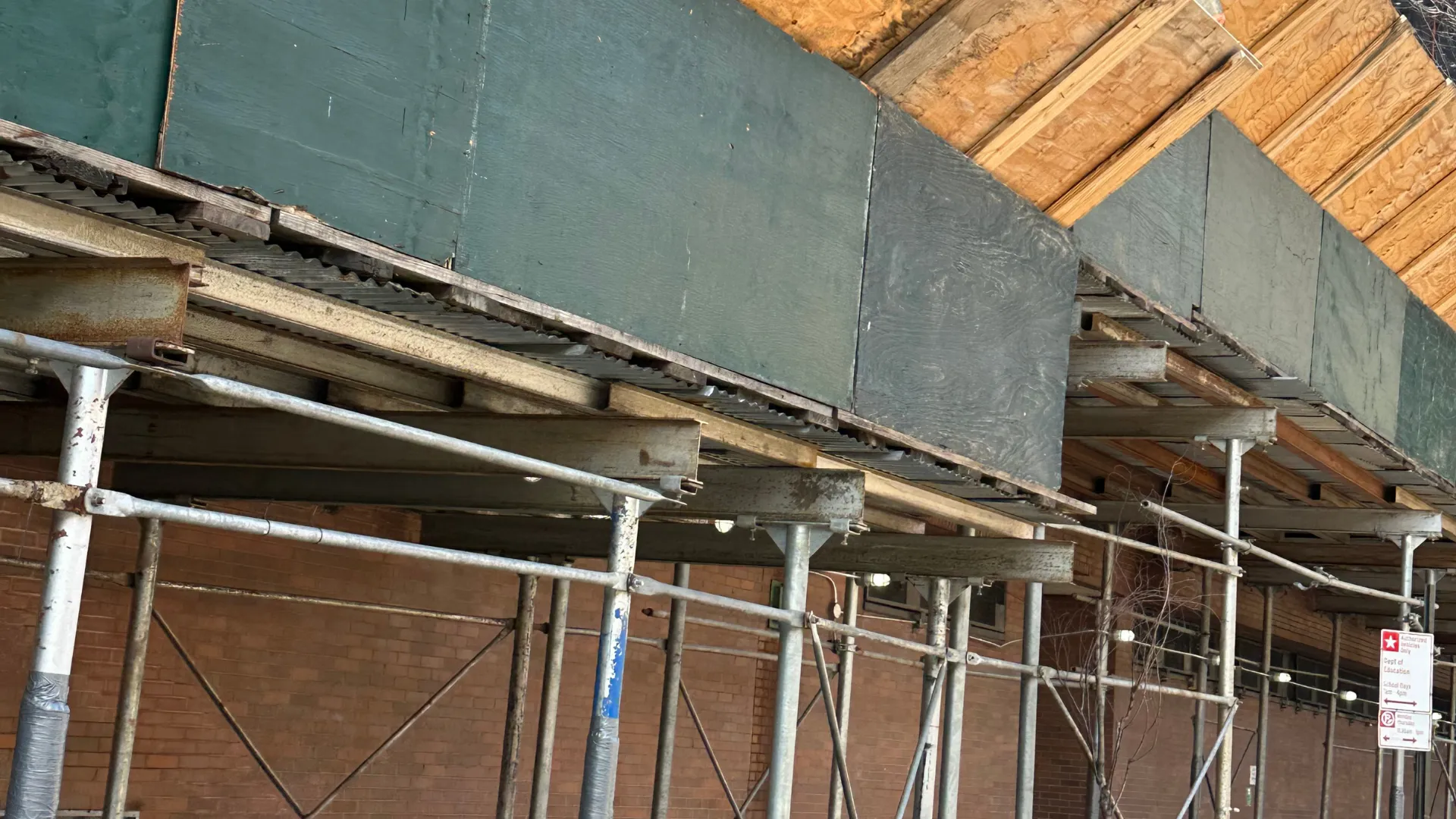
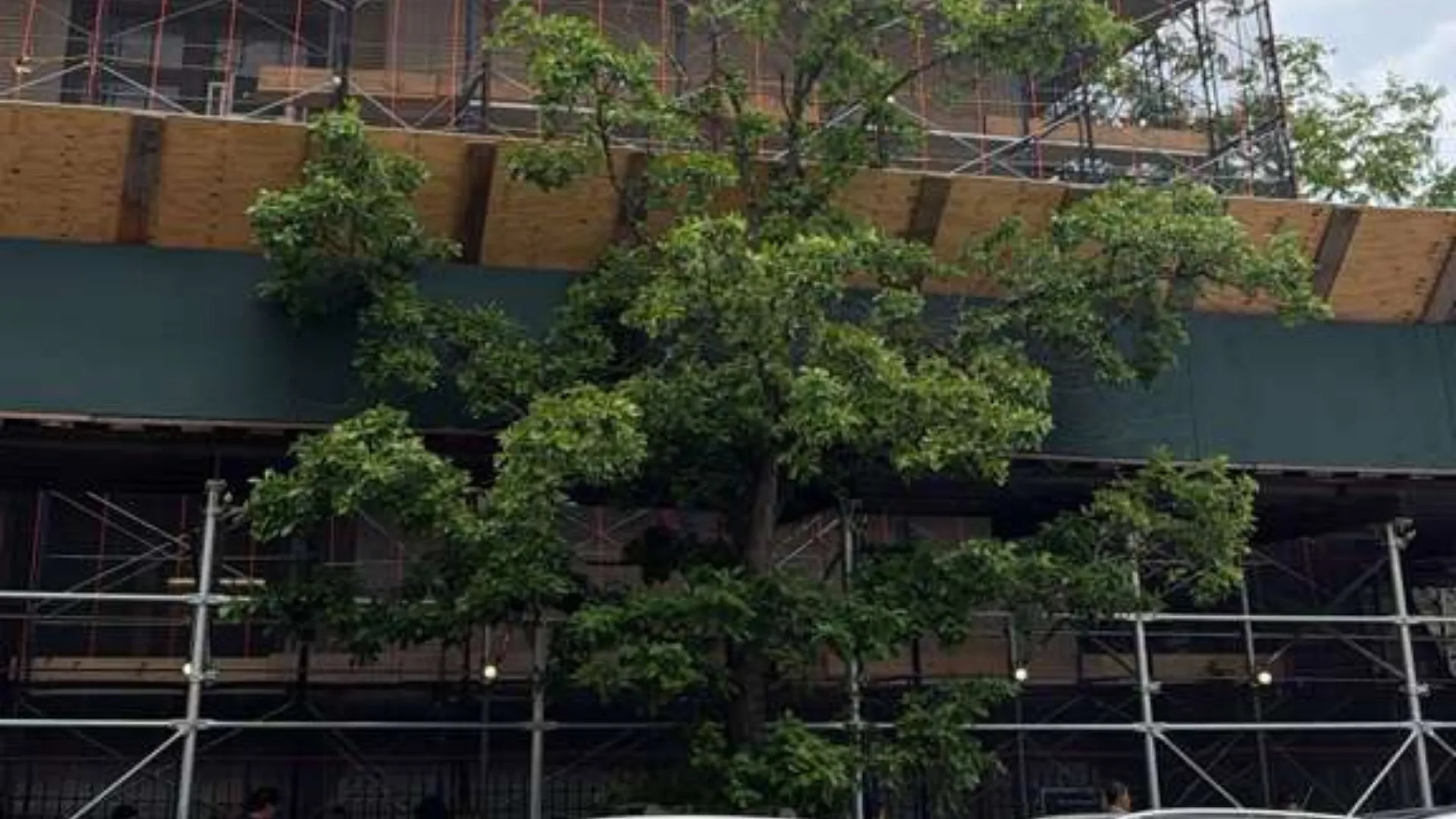
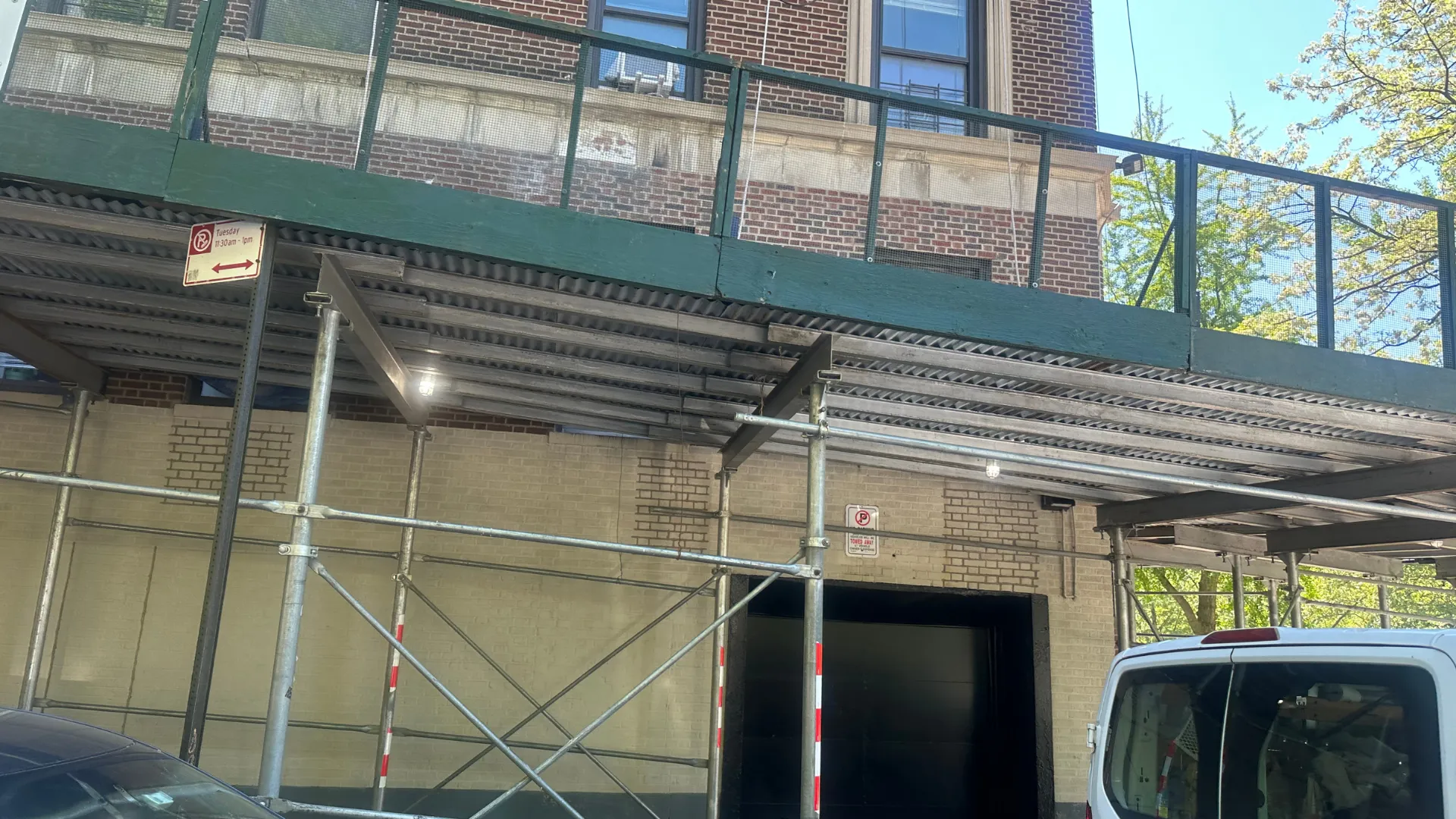
Covered walkways help protect pedestrians from falling debris while work continues above. Designs account for building entrances, storefront access and pedestrian movement.
Covered walkways help protect pedestrians from falling debris while work continues above. Designs account for building entrances, storefront access and pedestrian movement.
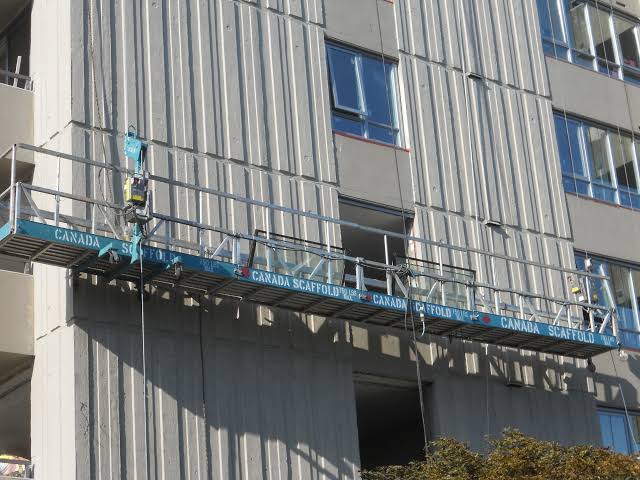
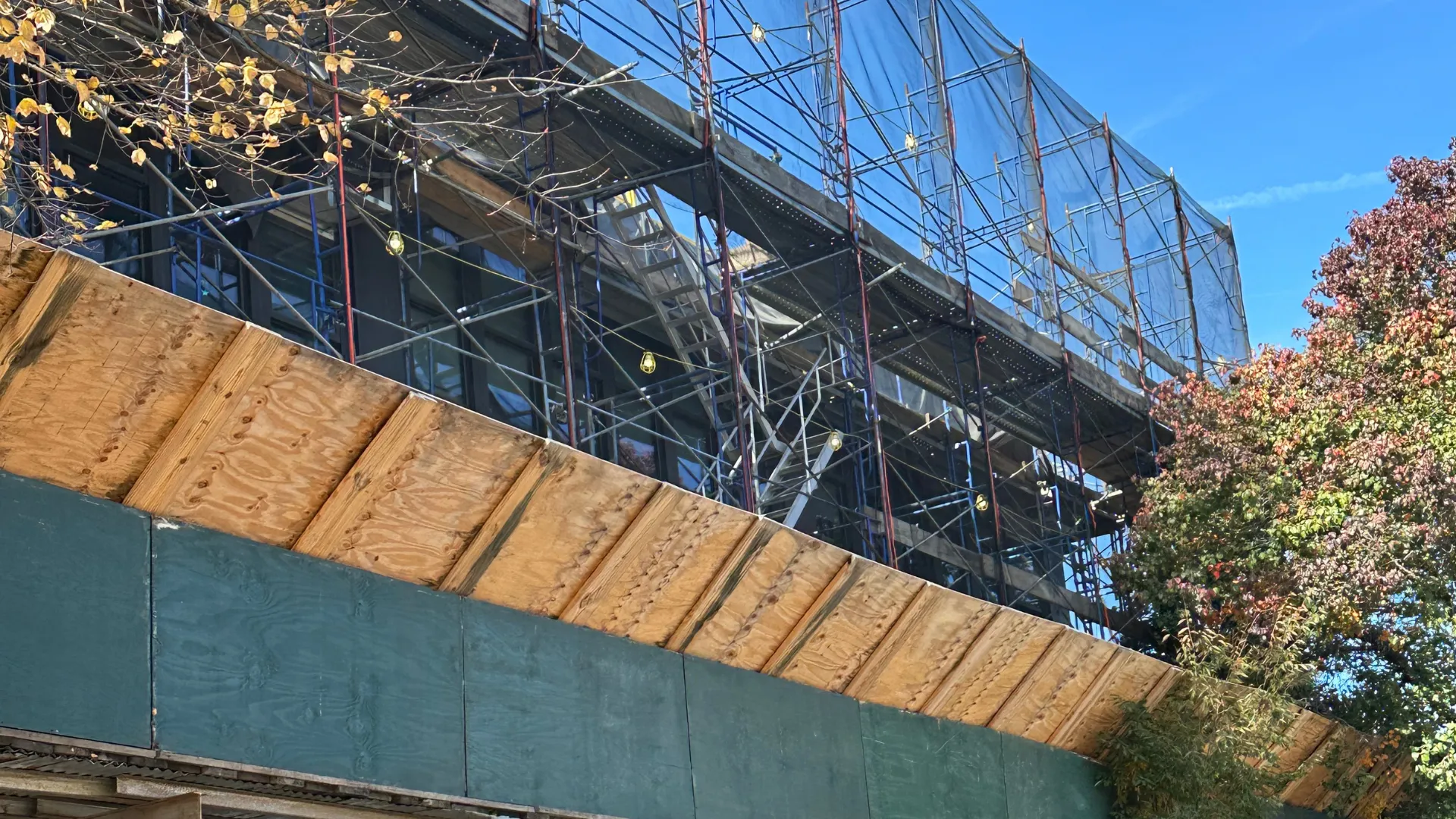
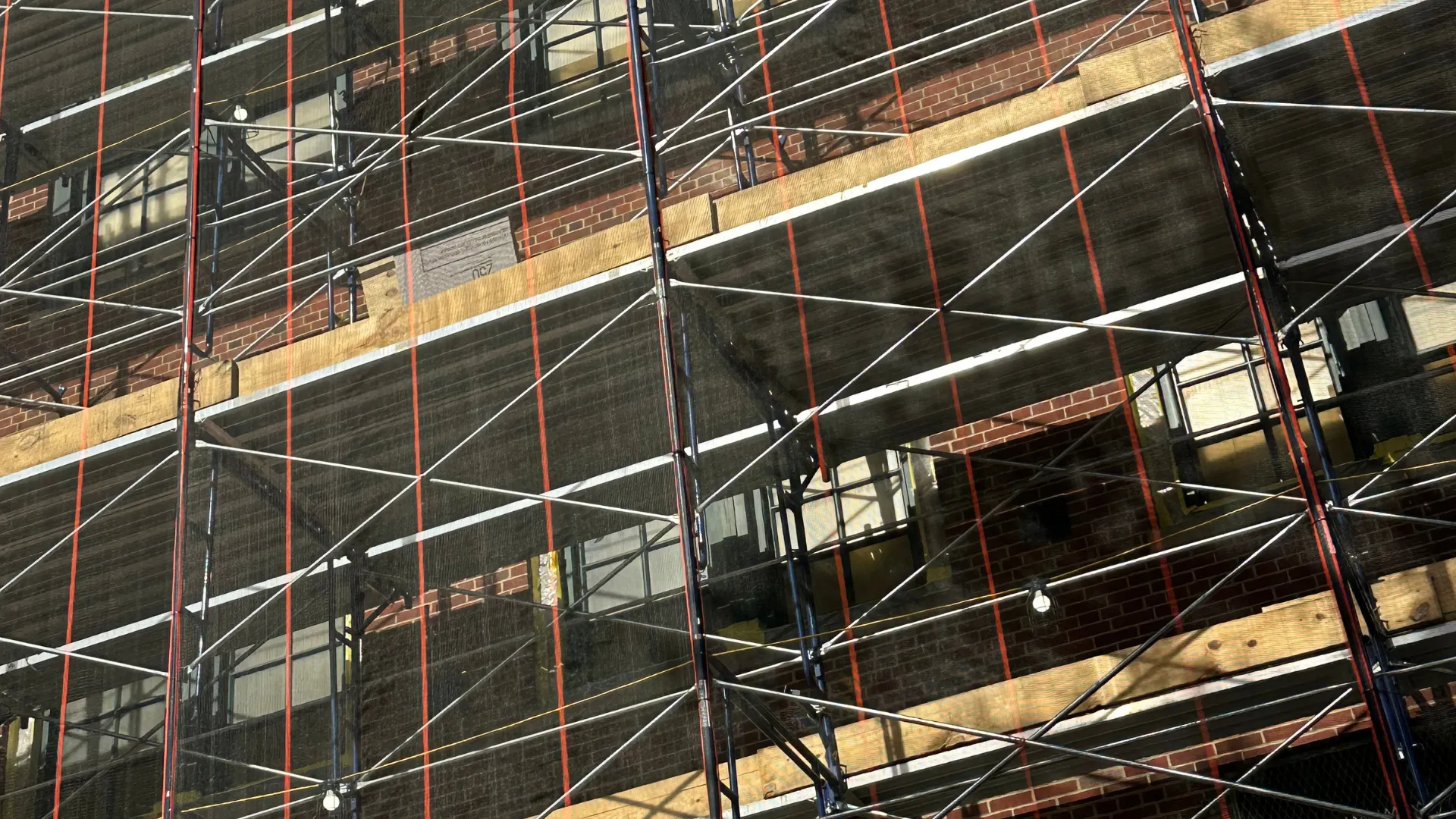
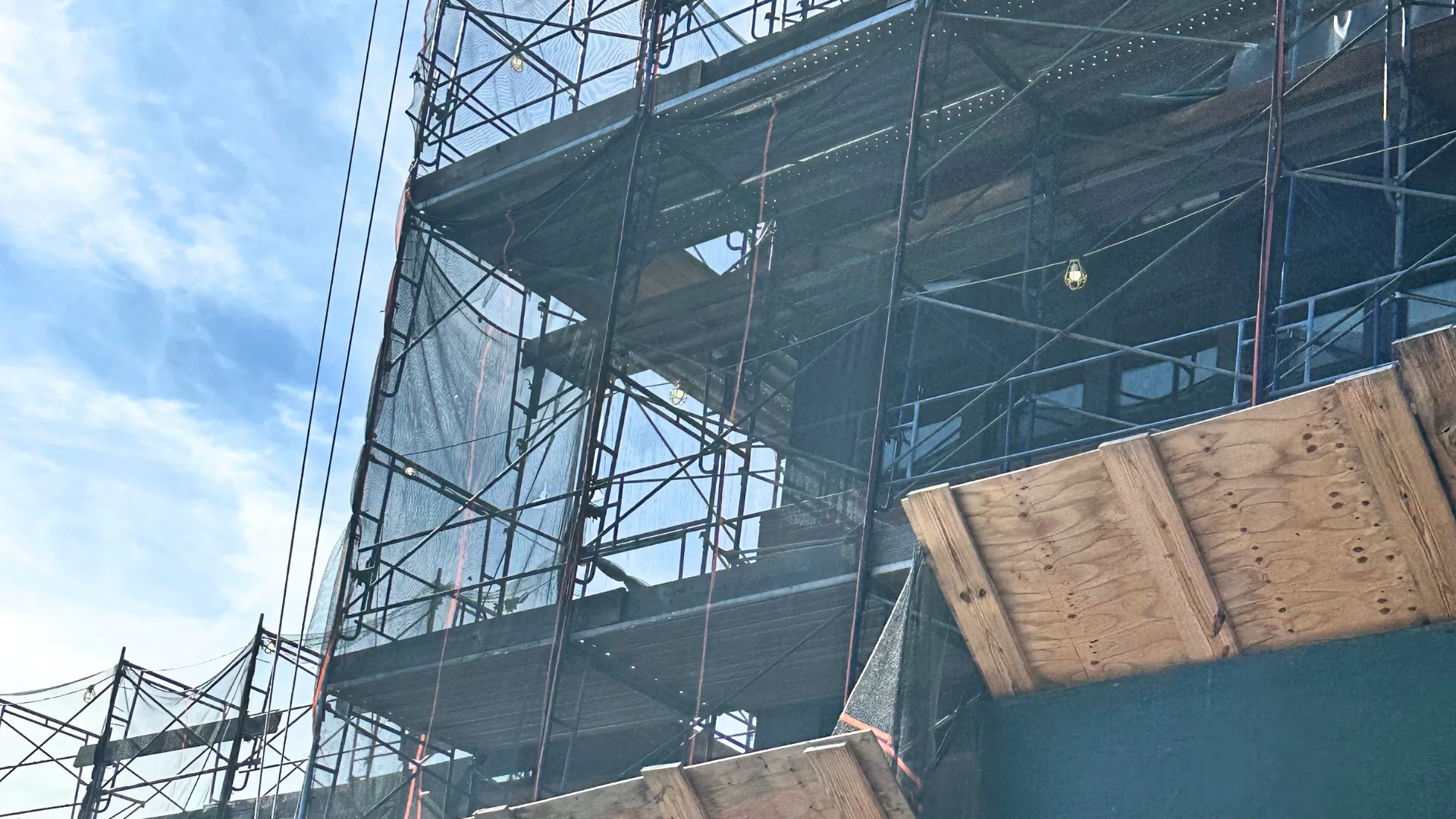
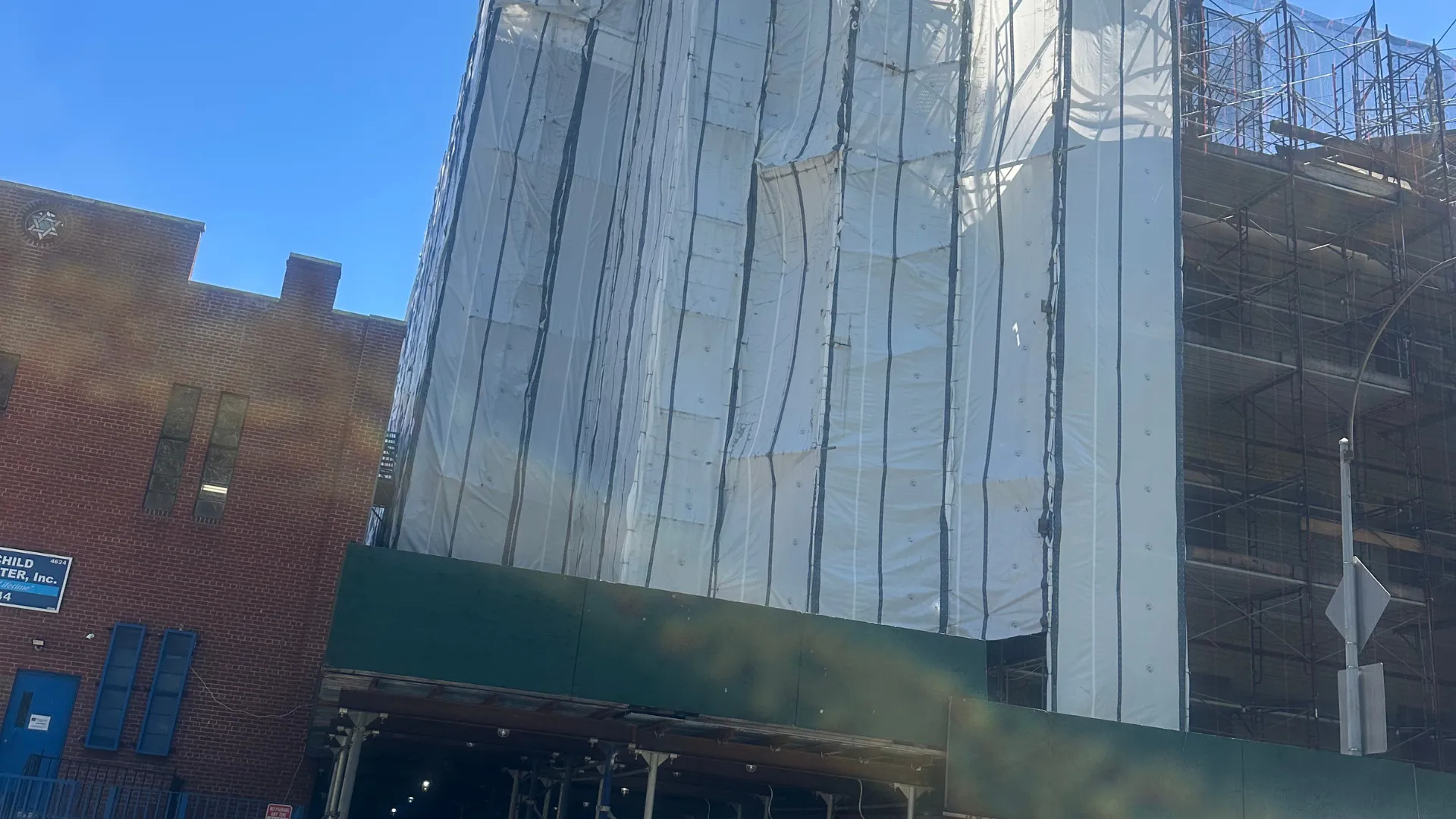
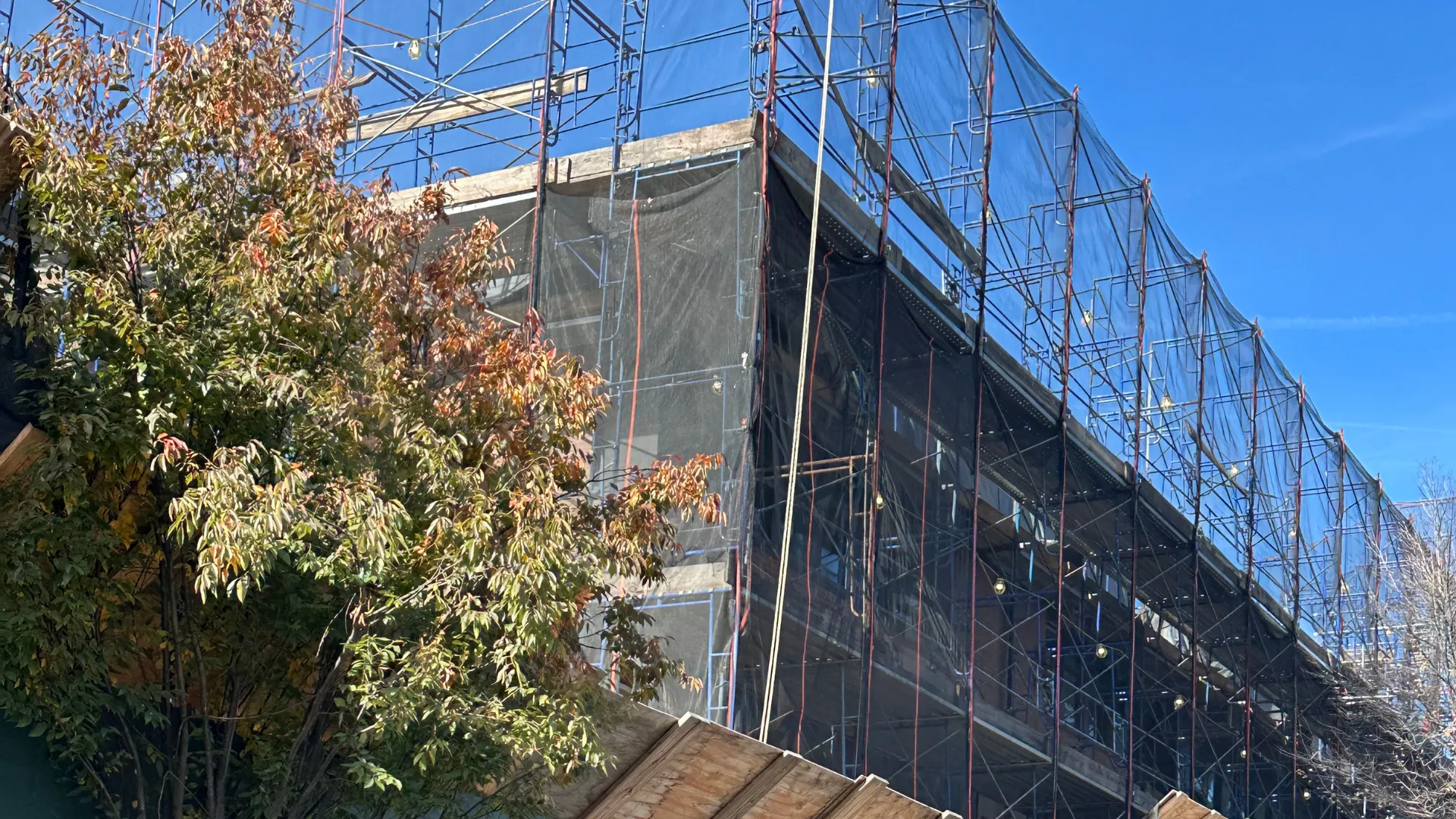
For elevated exterior work where ground space is limited, suspended platforms and climbing systems provide access without occupying more street space than necessary.
The Compliance Checkpoint: Four Things We Confirm Before a Pole Goes Up
Before installation, we review site conditions, applicable rules and the approvals your project may need.
Note From Team
Our compliance guide explains the process in more detail. The NJ Department of Community Affairs provides state construction-code information, while Fort Lee’s Construction Code Office can clarify local requirements.
We help identify relevant borough requirements and prepare supporting layouts and documentation.
What we bring: drawings, insurance certificates and engineering where required
Before any trade steps foot onto the decks, our designated Competent Person performs a structural load evaluation and signs off on a physical SCAFF-TAG system (Green for active use, Red for modification zones) to guarantee total site compliance.
Any sidewalk or curb encroachment on high-volume zones like Lemoine Ave, Center Ave, or Route 4 requires a Fort Lee Street Encroachment Permit. We coordinate directly with relevant departments to set approved staging hours.
Built for Fort Lee's Vertical, Narrow, Bridge-Side Streets
Fort Lee’s steep terrain, busy commercial blocks and high-rise buildings call for site-specific planning.
Cliffside Towers
Along Palisades Avenue and Hudson Terrace, elevated facades and restricted access require careful consideration of anchoring, rigging and equipment placement.
Main Street Storefronts
We plan around entrances, customer movement and deliveries to help businesses maintain access during exterior work.
The Bridge Corridor
Traffic and delivery schedules matter near the George Washington Bridge approach. We consider vehicle access and setup space when planning each job.
Our Approach
From Site Visit to Sign-Off in Four Steps
STEP 1
Walk The Site
We assess the building, pavement, entrances and surrounding street before recommending a suitable setup.
STEP 2
Plan And Paperwork
We prepare the proposed layout, arrange engineering where required and identify relevant filings.
STEP 3
Build And Tag
Our crew installs the equipment and completes the required checks before it is put into use.
STEP 3
Inspect, Maintain, Remove
We arrange appropriate ongoing checks and remove temporary equipment when the project is complete.
Fort Lee Field Notes: Three Things Owners Ask Us Every Week
Shed or scaffold?
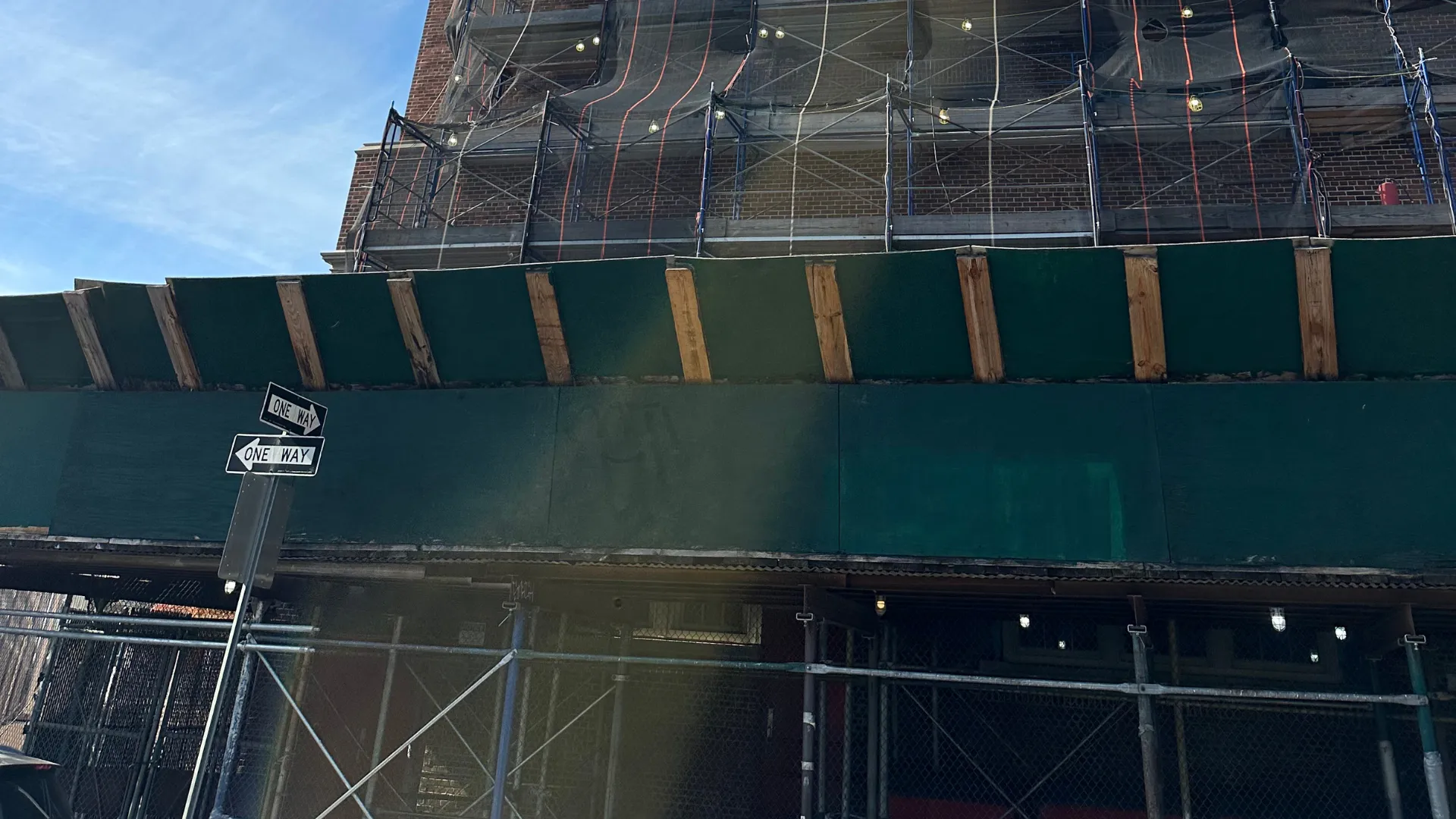
A covered walkway protects people below exterior work. A working platform gives crews access to the building. Some projects require both systems.
Nor'easter season is inspection season
After strong winds or heavy snowfall, equipment should be assessed for damage, movement and compromised anchors before work resumes.
Start the paperwork early.
Approvals, engineering and public-right-of-way arrangements can affect your schedule. Identify these needs before booking crews or equipment.
Latest Projects
Browse our recently completed construction projects
Fort Lee is our starting point, with service extending to nearby communities across Bergen and Hudson counties. These include
Fort Lee Edgewater Fairview Englewood Cliffs Leonia Cliffside Park Palisades Park Ridgefield Teaneck Hackensack Weehawken Jersey City
Fort Lee Scaffolding Questions, Answered
What areas do you serve?
We serve Fort Lee and nearby communities, including Edgewater, Cliffside Park, Englewood Cliffs, Palisades Park, Teaneck and Jersey City. Contact us to confirm service for your address.
What is the difference between a sidewalk shed and scaffolding?
A sidewalk shed creates a covered route to protect people below construction. A scaffold provides a working platform for crews. Exterior restoration projects may need both.
Are you licensed and insured?
Yes. We hold active registration with the New Jersey Division of Consumer Affairs. Our operations are backed by a commercial liability policy specifically underwritten for heavy overhead protection, mast climbers, and industrial rigging. Certified certificates of insurance naming building owners or HOAs as additionally insured are provided directly by our broker.
How fast can you install?
Timing depends on project size, site access, engineering and required approvals. Following the site review, we can provide an estimated schedule.
Do you handle permits for me?
We manage the entire municipal pipeline. Our in-house engineering team drafts the site safety layouts, obtains the necessary NJ P.E. structural stamps, files the permit applications at the Fort Lee Construction Code Office, and secures the Traffic Bureau right-of-way clearances. You do not have to be the middleman for the paperwork between Borough Hall and your job site.
How do I get a quote?
Send your address, work description, building height and expected project duration. We will arrange a site review and explain the proposed setup and pricing. Contact our team to discuss availability.