Create a clear boundary between public access and active work. Fort Lee Scaffolding helps plan the layout, arrange placement and discuss collections around your project schedule.
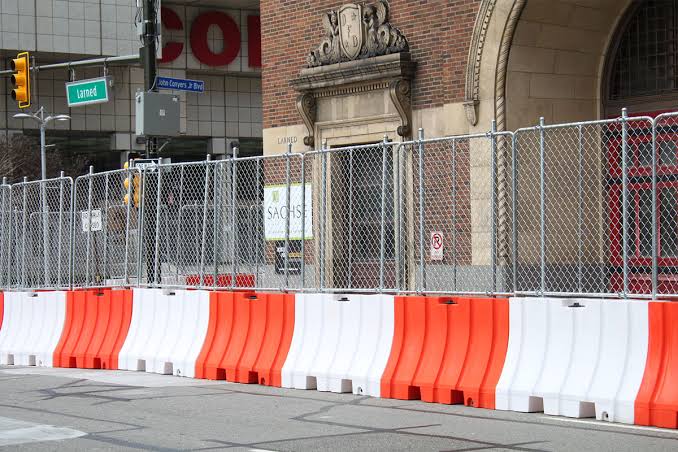
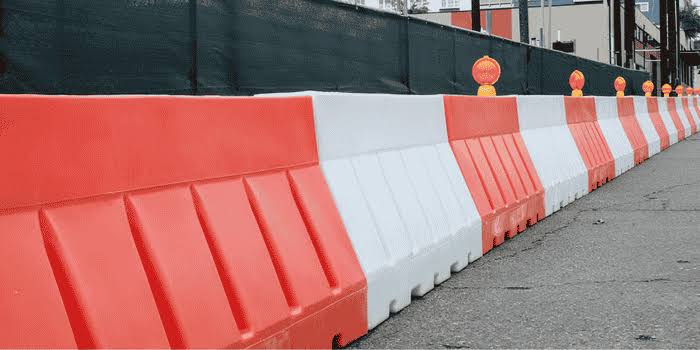
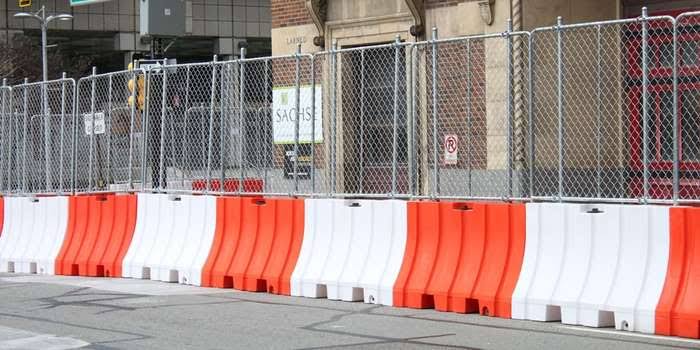
When work areas sit beside moving vehicles and pedestrians, a clear physical boundary can make the site easier to navigate. Plastic Jersey barriers in Fort Lee, NJ offer a portable option for separating designated areas. We'll discuss the location, intended use and limitations before recommending a setup.
| Good fit | Not the right tool |
|---|---|
| Directing people and vehicles around work | Stopping a moving vehicle in a crash |
| Separating walkways from work areas | Locations requiring a crash-tested system |
| Temporary events and utility work | Permanent installations |
| Work zones needing repositionable units | Sites where an engineered rated barrier is specified |
Tell us the location, nearby traffic and planned work. We'll help assess whether this option suits the application.
Water filled barrier rental in NJ can simplify transport and positioning because units are lighter before filling. Once filled, they gain weight, but their suitability depends on the site and intended use.
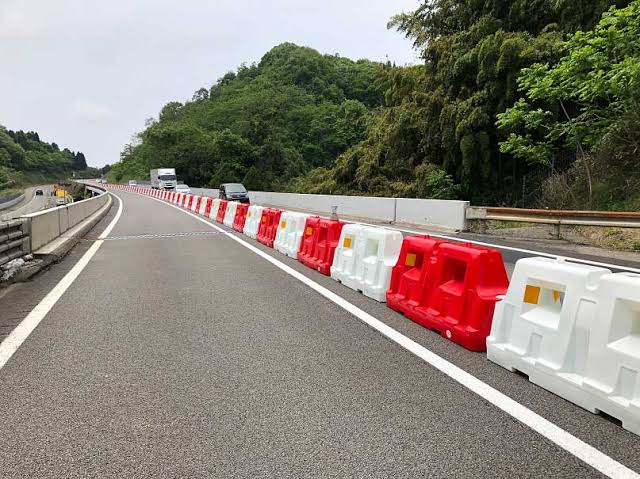
The units can be positioned before filling, subject to the supplier's handling instructions and site conditions. The required quantity and arrangement depend on the length of the boundary and the project layout.
Some models connect to form a continuous line. We'll confirm the connection system and available unit specifications before preparing your quote.
Placement Matters: Curbs, driveways, hydrants and bus stops all affect where a barrier line can sit.
Pedestrian barrier rental in NJ can help define a clear walking route beside active work. The layout should account for usable width, entrances, visibility and accessible passage.
A defined perimeter can separate excavation, equipment and stored materials from public access. Entry points and vehicle movements should be planned before units are placed.
Temporary boundaries can guide visitors and help organise queues at events. Placement should reflect expected crowd movement, emergency access and the event's traffic-control arrangements.
A designated loading area can help separate delivery activity from pedestrian movement. The plan should account for vehicle turning space, unloading and access to nearby properties.
Send us a photo or sketch of the area so we can discuss a practical arrangement.
Water can freeze and expand, potentially damaging units or affecting their use. If the project will run through freezing conditions, tell us before arranging delivery. Product suitability, filling instructions and cold-weather procedures should be confirmed with the supplier rather than assumed.
Placing equipment on or beside a public road or sidewalk may require permission from the relevant road authority. Requirements vary by location and road ownership.
Our sidewalk and street closure permits page explains the approval process. The FHWA Manual on Uniform Traffic Control Devices provides federal guidance on traffic-control devices. The selected barrier must suit the application and cannot replace a rated system where one is required.
| Item | What it means in practice | Who handles it |
|---|---|---|
| Road-owner approval | Permission to occupy or affect public space | Permit holder, supported by project documentation |
| Traffic-control plan | Signs, lanes and flaggers where needed | Responsible traffic-control provider or project team |
| Barrier type | Equipment suitable for the intended use | Project team and engineer where needed |
| Pedestrian path | A clear, usable route around the work | Project team |
| Visibility | Reflectors, signs or lighting where required | Assigned project personnel |
For site boundaries, temporary construction fencing may provide an additional layer of separation. The right combination depends on the site and its risks.
Plastic road barrier rental in Bergen County needs to account for the road owner, nearby access points and local traffic conditions. Confirm the approval route before scheduling placement.
Retail frontages may need clear pedestrian routes alongside vehicle movements and deliveries.
Busy building frontages require careful coordination around entrances, work activity and pedestrian flow.
Shopfront access, deliveries and foot traffic can influence where a temporary boundary should begin and end.
Roads near the George Washington Bridge may involve additional agency requirements. Confirm the responsible authority before planning work beside these routes.
Beyond Fort Lee: Edgewater, Cliffside Park, Fairview and nearby towns. Availability depends on the location and project requirements.
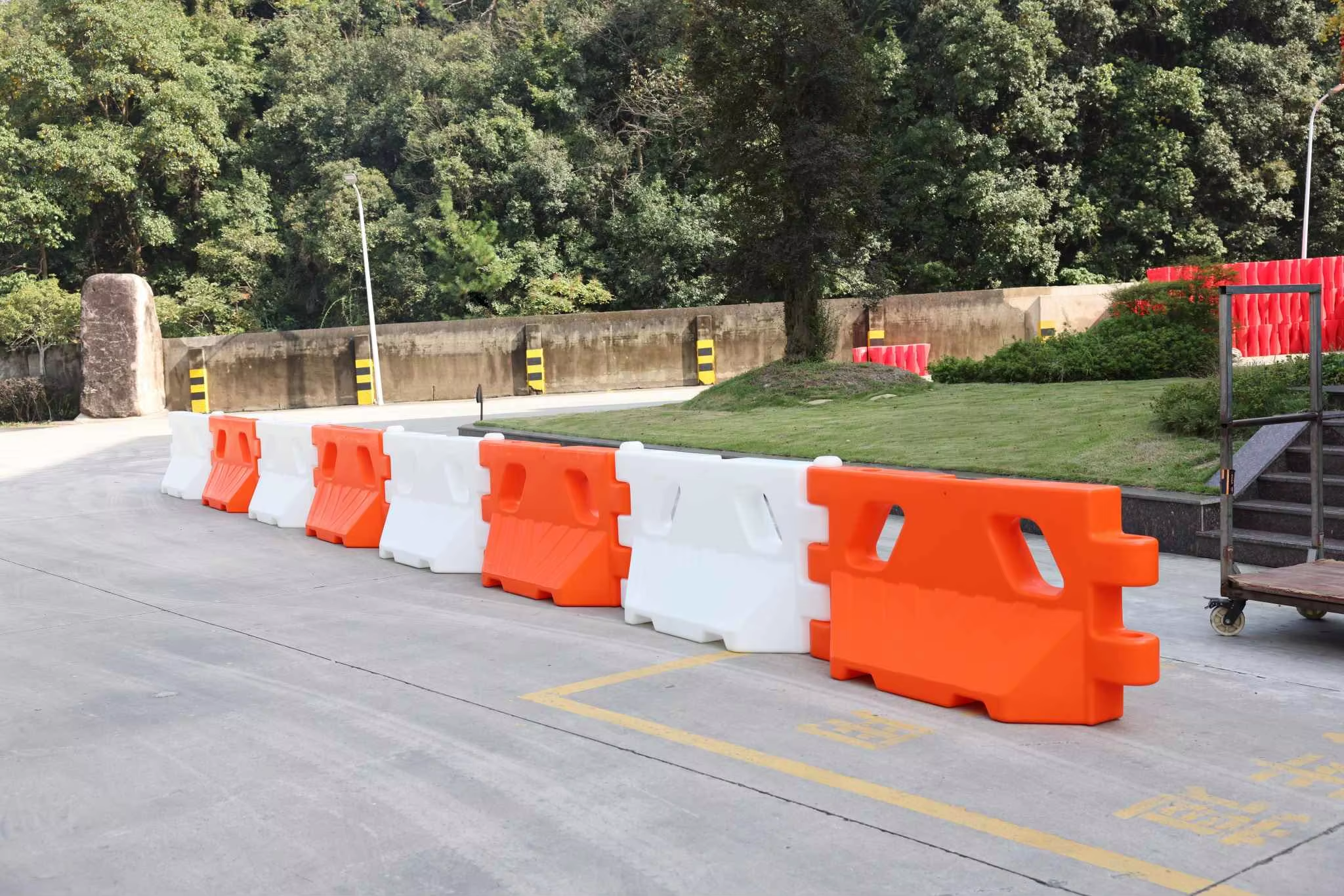
They can help guide traffic and separate designated areas, but they are not automatically crash-rated. Where vehicle-impact protection is required, use a suitable rated system.
Water-filled units are an option to discuss for suitable applications. Confirm current inventory, specifications and availability before placing an order.
The proposed service should specify delivery, positioning, filling where applicable and collection. These details will be confirmed in your quotation.
Short-duration hire may suit events and temporary utility work. Plastic Jersey barriers in Fort Lee, NJ can be considered where portable separation is appropriate. Confirm availability and minimum hire terms.
Work affecting public roads or sidewalks may require approval from the borough, county or state. Check the closure permit information and confirm requirements with the road owner.
Some models connect to create continuous runs. We'll confirm the connection method for the units proposed for your job.
Send us the site location, approximate length and expected schedule. We'll discuss suitable options and provide a written quotation following a site review.