
Your project may need part of the public route, but people still need a safe way through. Here's how to plan the change before work begins.
A sidewalk closure permit in Fort Lee, NJ involves more than putting up signs and barriers. The authority responsible depends on who owns the road: the borough, Bergen County, the State of New Jersey or another agency near the bridge approaches.
Get one detail wrong, and your schedule can slip before the crew arrives. This guide by Fort Lee Scaffolding explains how to identify the right authority, prepare a practical layout and keep people moving safely around your work zone.
Contact the relevant authority if your project will:
Send us the property address and a description of the work. We'll help identify the questions to raise with the responsible authority.
A right of way permit NJ project depends on the road's ownership. A street closure permit for a Bergen County project may follow a different process from work on a municipal street.
| Road type | Who to contact | What to expect |
|---|---|---|
| Borough street | Borough offices responsible for construction and street use | Local approval and possible traffic planning |
| County road | Bergen County's relevant department | County authorisation, potentially separate from municipal approval |
| State route | New Jersey Department of Transportation | State review and applicable traffic-control conditions |
| Bridge approach | Relevant agencies, potentially including the Port Authority of New York and New Jersey | Additional coordination and potentially more complex review |
Pedestrian walkway protection requirements for NJ projects must be followed depending on the location, work and applicable rules. Start by considering the safest practical route.
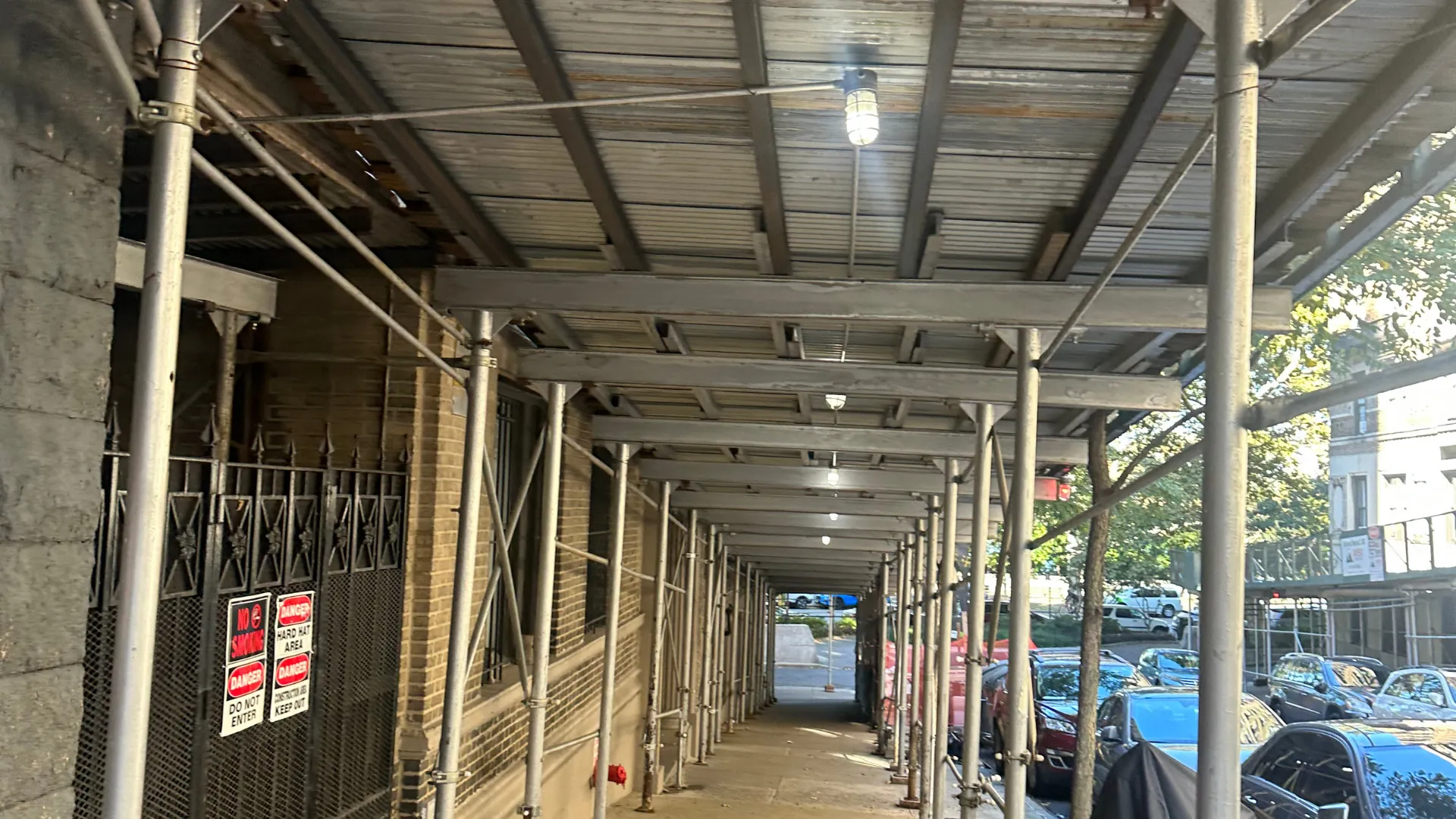
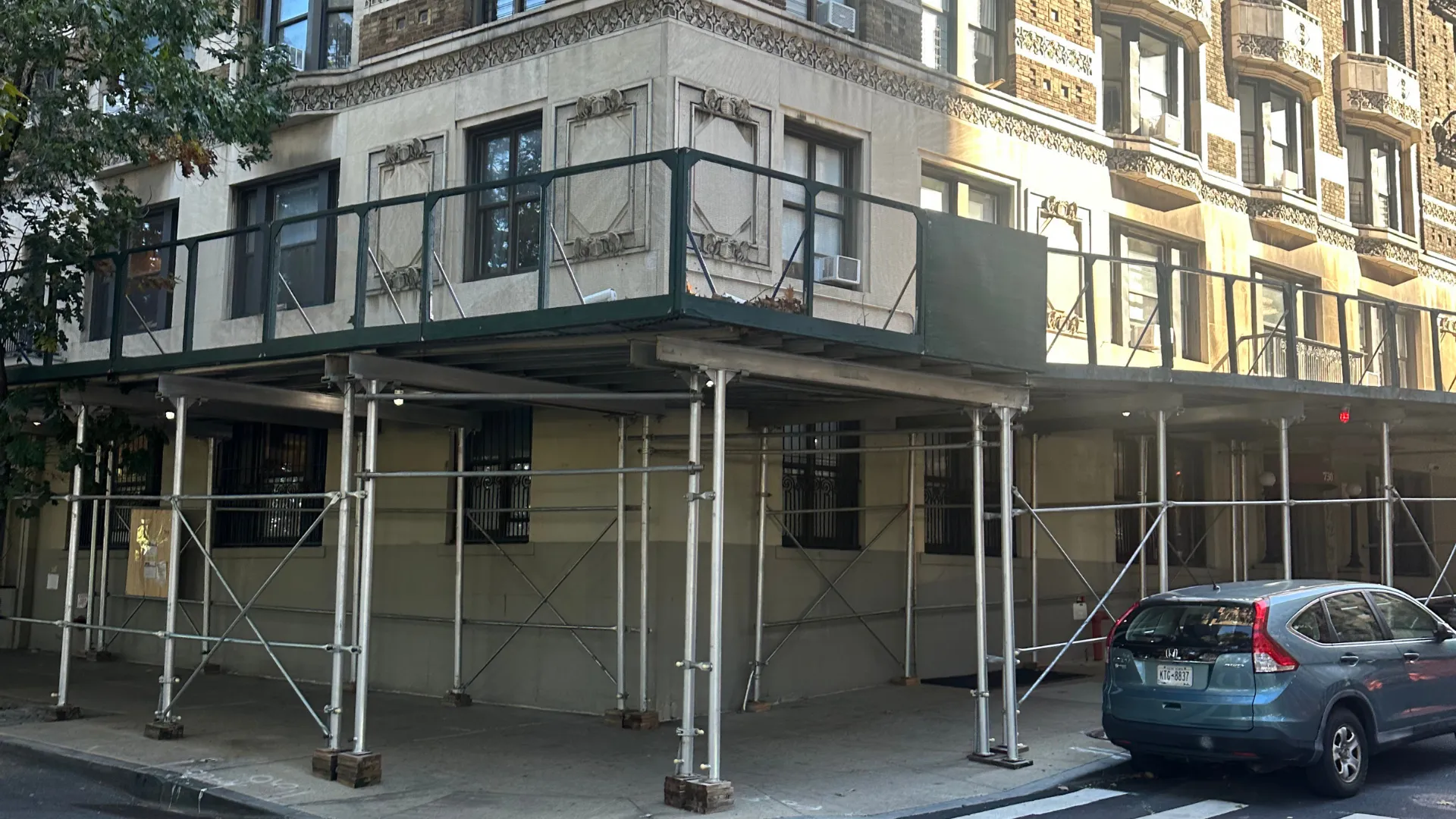
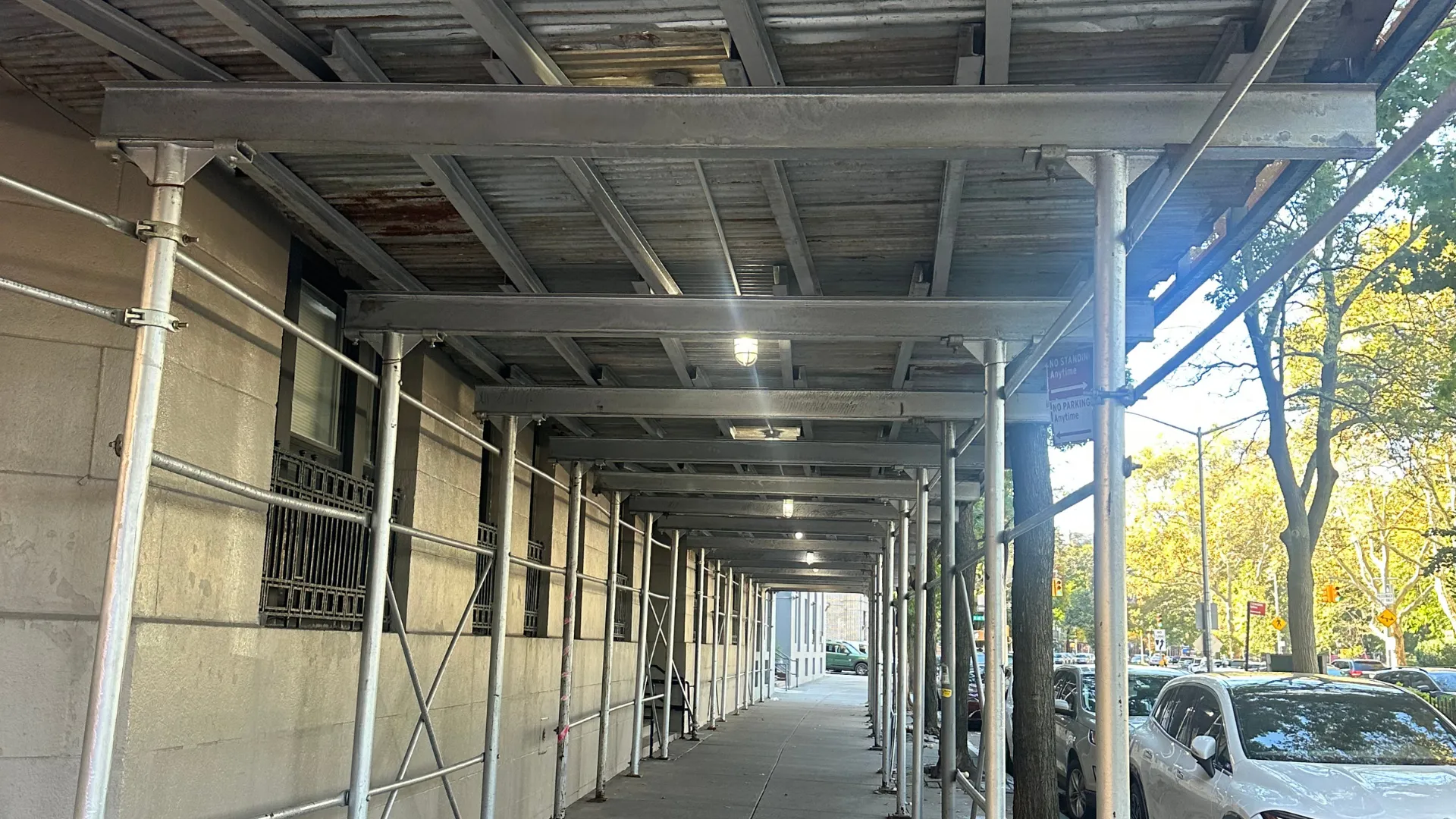
Overhead protection can allow people to continue using the existing walkway while work takes place above.
Best When: Work is overhead and sufficient space exists for a protected route.
A clearly separated temporary path can redirect foot traffic away from vehicles and active work.
Best When: The existing walkway must close and sufficient roadway space is available.
Signs and designated crossing points can guide people to an alternative route when the original path cannot remain open.
Best When: The first two options are unsuitable and a safe alternative route is available.
Identify the property address, affected road, existing walkway, work zone and equipment locations.
Show where warning signs, directional arrows and barrier lines will guide people.
Identify whether flaggers or a traffic-control provider are needed and where they will operate.
State the proposed start date, finish date and daily operating hours.
Explain how residents, deliveries, people with disabilities and emergency services can access the area safely.
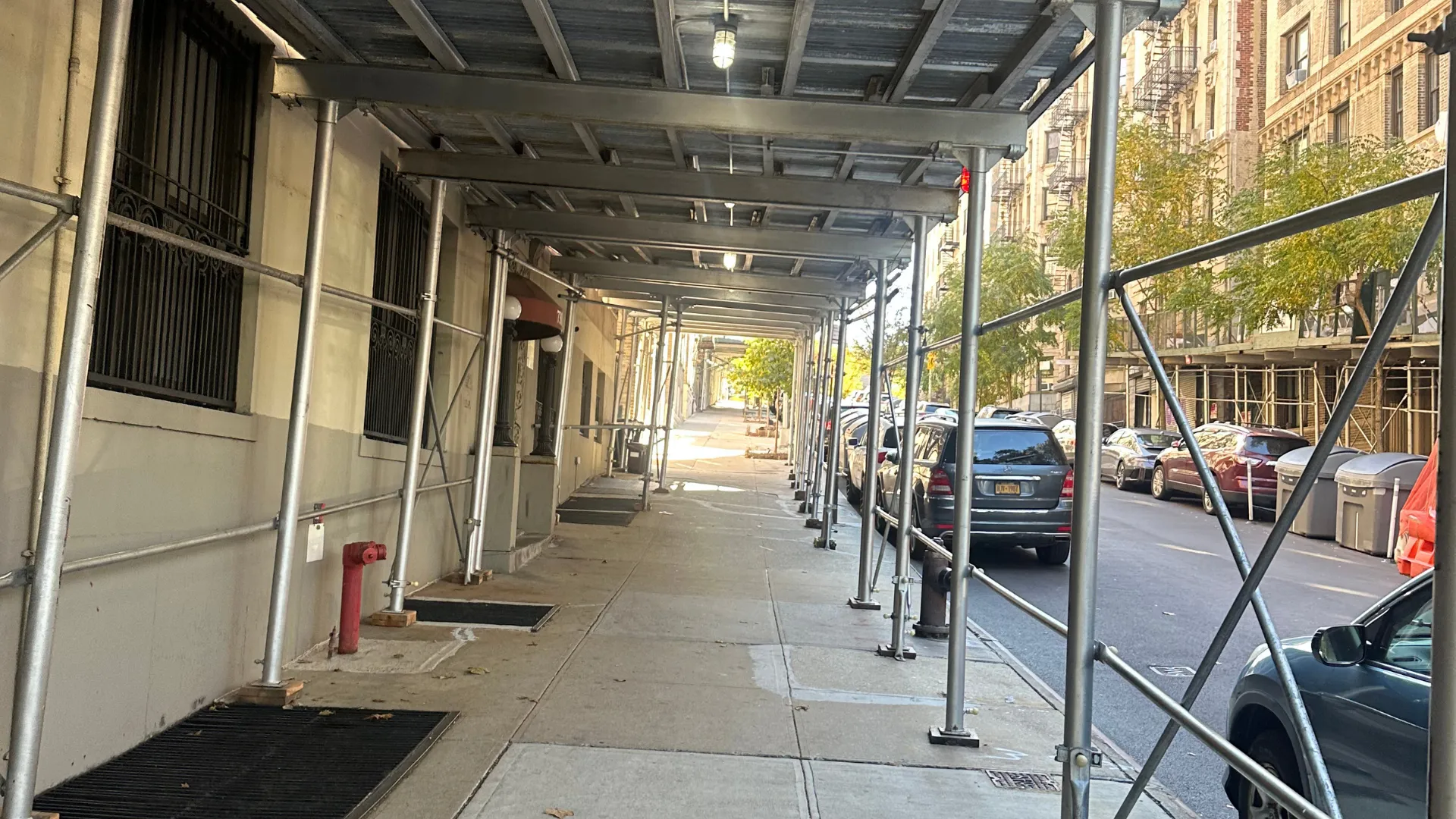
We can help prepare the layout within our agreed scope. The designated applicant remains responsible for submissions and responses to the road authority.
Work backwards from your required start date rather than guessing when approval will arrive.
If your planned start date is approaching, call us to discuss the layout and outstanding preparation.
Local shops, residents and delivery drivers appreciate advance notice. Use a short message tailored to the actual arrangements:
From [start date] to [end date], between [hours], the public walkway at [address or block] will be [closed, protected or temporarily rerouted]. Please follow the signs to [alternative route]. For questions, contact [name and phone number].
Post notices where appropriate and provide copies to nearby businesses. Confirm whether the responsible authority requires a particular notice or posting period.
Several responsibilities may overlap during public-space work. The New Jersey Department of Transportation is a starting point for state-road projects. Building approval for the physical structure is a separate matter; see our scaffold permit page.
| Item | What it means | Who handles it |
|---|---|---|
| Road-authority approval | Permission to occupy the public route | Applicant, with layout support |
| Traffic control | Signs, lane arrangements and flaggers where required | Project team or traffic-control provider |
| Insurance | Certificates requested for the work | Relevant contractors |
| Accessible route | A usable alternative path where required | Project team |
| Notices and signs | Required public information and site directions | Responsible applicant |
Storefronts need thoughtful access arrangements that help customers reach entrances safely.
Busy retail frontage may leave little separation between traffic and pedestrian routes.
Building height, sloping ground and limited space can influence the available protection options.
High traffic volumes and agency jurisdiction can make early coordination particularly important.
Edgewater, Cliffside Park and Fairview have their own procedures. Confirm requirements with the relevant authority.
Often, yes. Requirements depend on the location and the proposed use of public space. Confirm the responsible authority before making arrangements.
The answer depends on whether the road is municipal, county or state-controlled. Confirm ownership and contact the appropriate agency.
Many projects require one. Ask the road authority what drawings, signs, barriers and traffic-control measures it expects.
Provide a clear, accessible route using suitable overhead protection, a separated temporary walkway or an approved detour. Keep people away from active work and vehicle movements.
An extension may require revised or renewed authorisation. Contact the issuing authority before the existing approval expires.
They serve different purposes. Barriers separate people from traffic, while overhead protection helps guard against falling objects. Some projects require both.
Tell us where you're working and what the project involves. We'll help you consider the layout, pedestrian access and documentation needed for the proposed arrangement.
Disclaimer: This page provides general information, not legal advice. The responsible road authority and borough make all applicable approval decisions.