Understand the federal safety rules behind elevated work, from inspections and safe access to fall prevention and protecting people below.
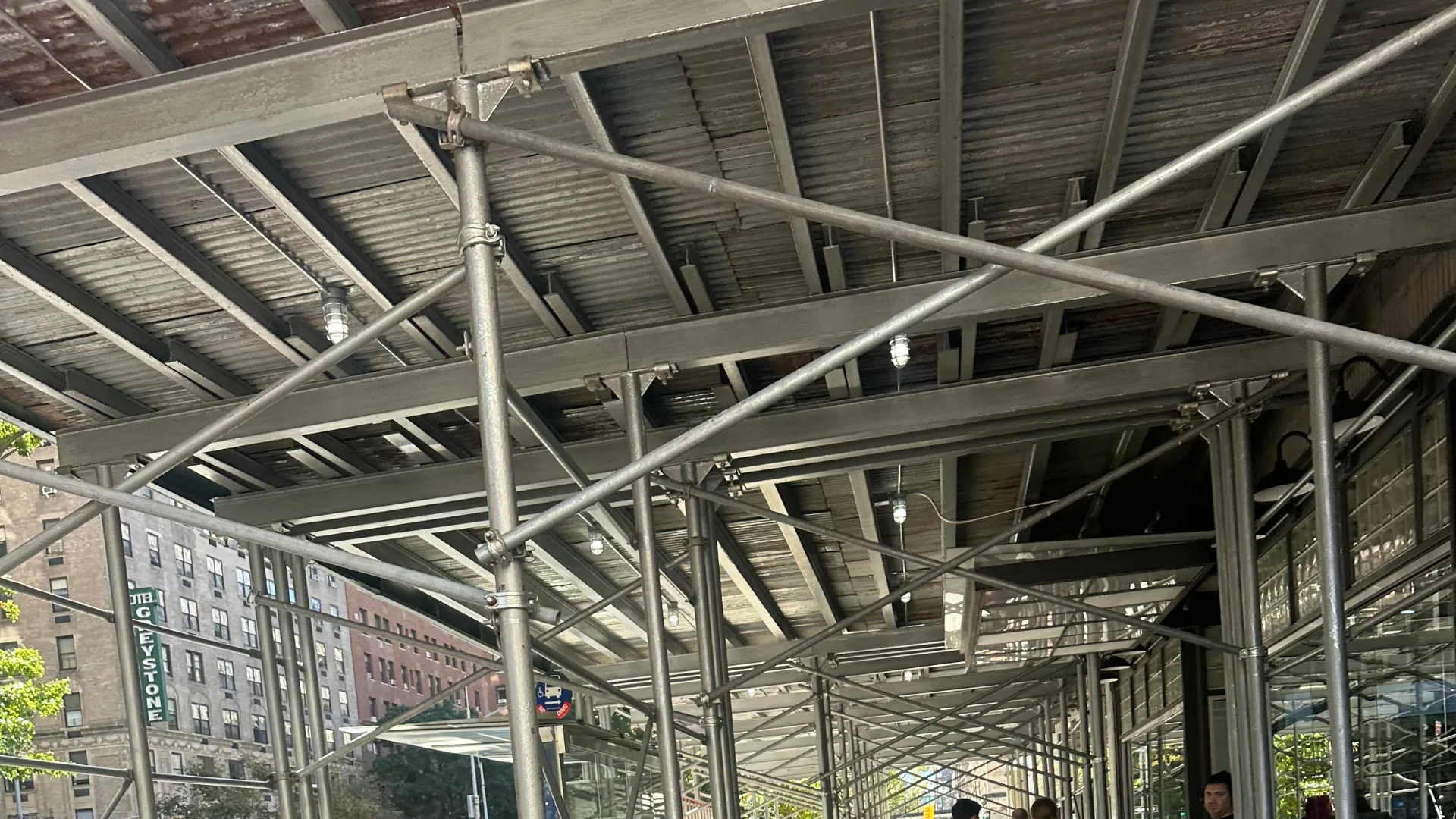
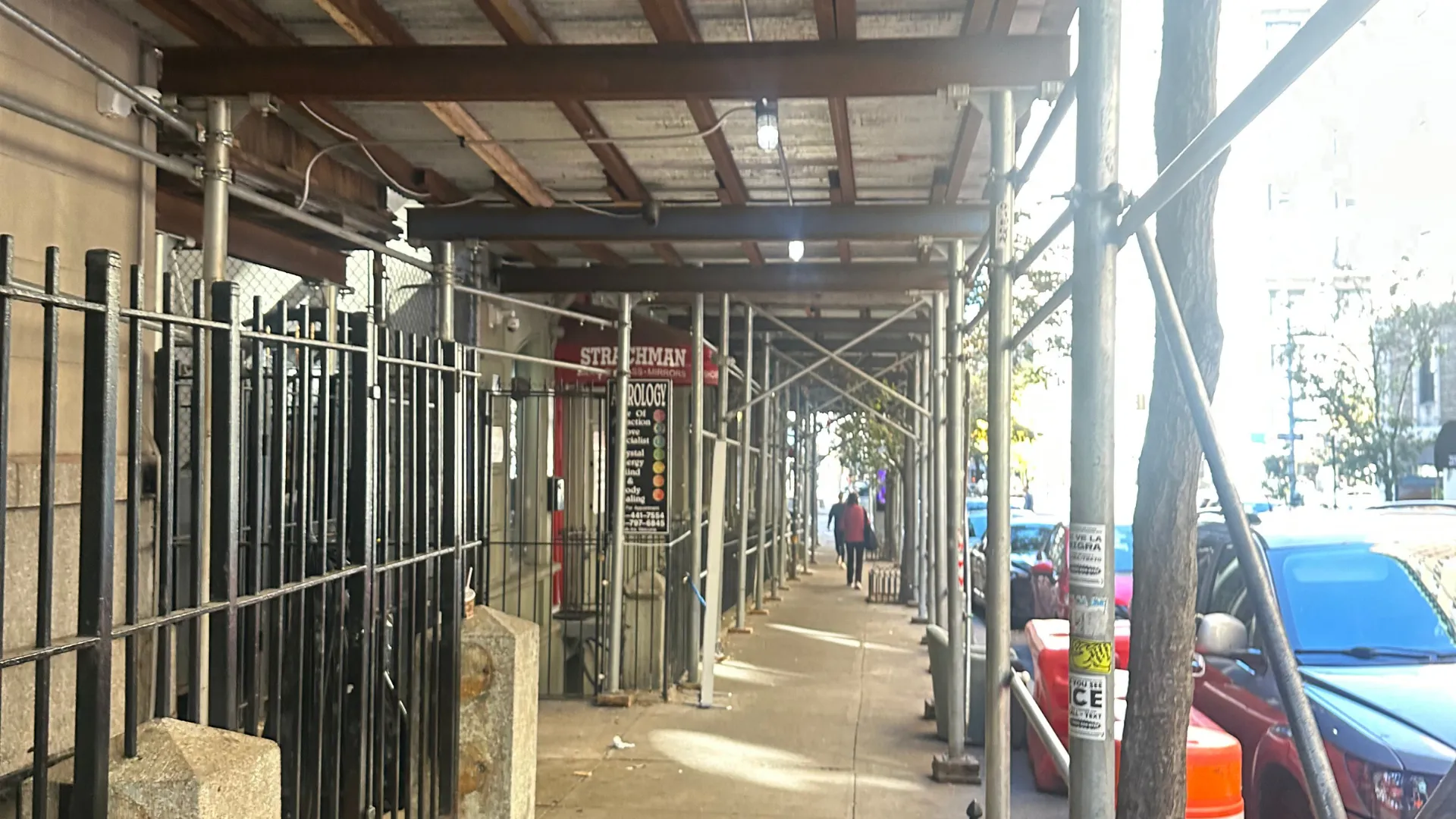
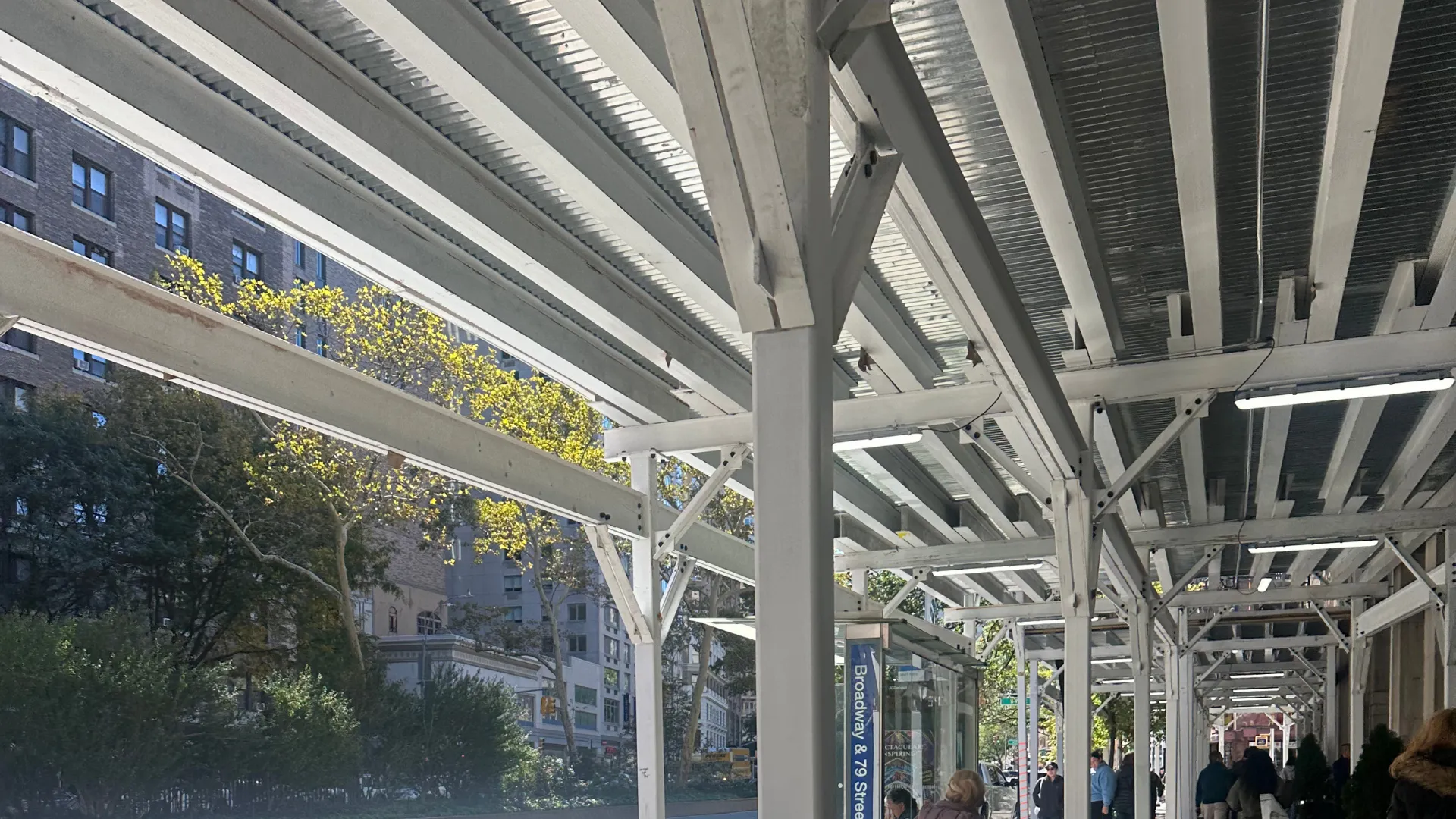
A good-looking installation means little if workers cannot access it safely or the platform cannot support its intended load. OSHA scaffold requirements for NJ job sites establish the federal baseline for safe construction work at height.
This guide by Fort Lee Scaffolding explains the practical essentials, including who checks the structure, when fall protection applies and what property owners can observe from the ground. Use it as a starting point, then consult the applicable standard and a qualified safety professional about your project.
Federal OSHA generally covers private-sector construction employers in New Jersey, including installation companies and contractors whose employees use elevated work platforms.
New Jersey operates an approved state plan covering public-sector workers. Confirm current coverage and applicable state requirements with the relevant authority.
Owners hiring contractors do not automatically assume the employer's duties. However, contractual arrangements, site conditions and other legal obligations can affect their responsibilities. Consult your attorney or insurer when needed.
The governing federal construction standard is 29 CFR 1926 Subpart L. These 10 principles summarise important safety obligations; consult the regulation for exact provisions and exceptions.
Keep these principles handy during project planning.
The distinction matters because identifying a hazard and designing a specialised system require different responsibilities.
| Role | Main responsibility | Typical task |
|---|---|---|
| Competent person | Identifies hazards and can take prompt corrective action | Conducts required inspections and oversees relevant work |
| Qualified person | Has recognised knowledge, training or experience for the assigned task | Designs or evaluates complex arrangements |
| Employer | Provides a safe workplace, suitable equipment and training | Establishes safe work procedures |
| Installation company | Performs agreed installation and maintenance duties | Erects, tags or inspects equipment within its scope |
| Worker | Follows training and reports hazards | Avoids unsafe equipment and follows site procedures |
One person may fill multiple roles if properly qualified. The required responsibilities must still be covered.
Fall protection depends on the equipment type, working conditions and applicable provisions. For many construction platforms, protection is required when workers are more than ten feet above a lower level.
Supported platforms commonly use guardrail systems, including top rails and midrails. Toeboards or other measures may also be required to address falling-object hazards.
Some configurations require personal fall arrest equipment, including suitable harnesses, connecting components and appropriate anchorage. Equipment must be selected and used correctly.
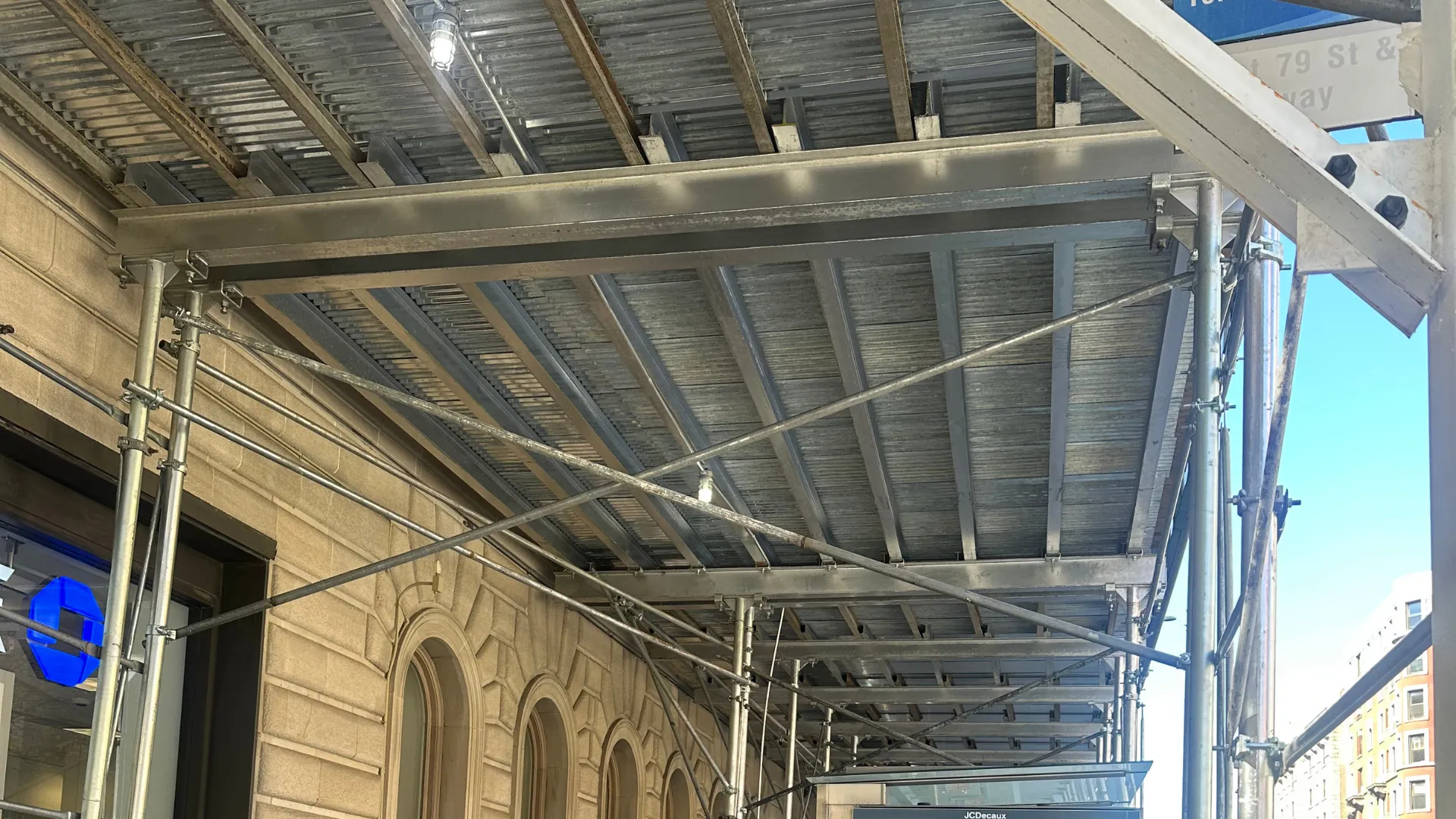
Toeboards, screens, canopies or restricted-access zones may help protect people below, depending on the exposure and applicable provisions.
Above a public walkway, overhead protection may also be necessary. Confirm local building and public-space requirements separately.
See your Building Department and our service pages.
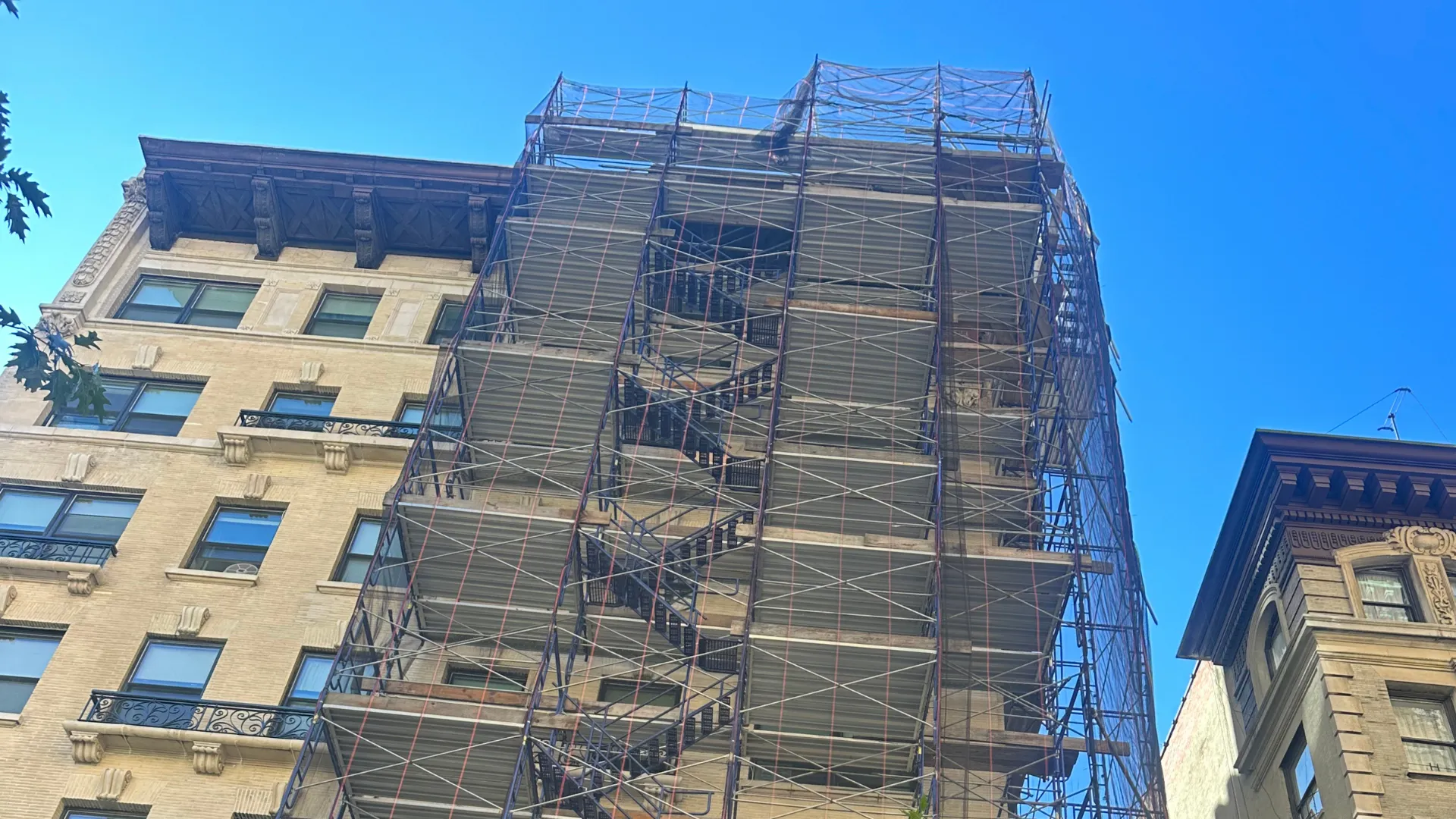
Platforms: Decking must meet applicable construction and width requirements. Workers should not encounter unsecured planks, hazardous gaps or clutter that creates trip risks.
Access: Provide compliant access when workers need to reach a platform. Depending on the height and configuration, suitable options include ladders, stair towers or other permitted systems.
Load: The design must account for workers, tools and materials. Avoid overloading a platform or placing heavy supplies where the structure was not designed to support them.
You do not need to climb the structure to notice potential warning signs. From a safe location, look for:
If something looks wrong, notify the contractor in writing and request a competent-person assessment.
Federal workplace standards govern worker safety, while municipal authorities may regulate construction approvals and public-space protection. Satisfying one set of obligations does not automatically satisfy the other. Review our Compliance hub and confirm the applicable local process before work begins.
| Term | Plain meaning |
|---|---|
| Base plate | Spreads a support leg's load across the supporting surface |
| Tie | Connects the structure to a building for stability |
| Guardrail | Helps prevent falls from platform edges |
| Toeboard | Helps stop tools and materials from falling off an edge |
| Platform | The surface where workers stand |
| Personal fall arrest | Equipment designed to stop a worker's fall |
| Competent person | Someone authorised and able to identify hazards and correct them |
| Tag | A notice communicating equipment status or inspection information |
The federal baseline remains consistent, but each site presents different challenges.
Height, anchorage and wind exposure deserve careful attention during planning.
Pedestrian activity makes falling-object protection and accessible walkways important considerations.
Changes in grade require suitable foundations, levelling and safe access arrangements.
Tight property lines and roof edges can complicate access and fall prevention.
These federal principles also apply to covered construction work in Edgewater, Cliffside Park, Teaneck and elsewhere across New Jersey.
Core obligations cover structural capacity, safe platforms, access, fall protection, training and inspections. Review 29 CFR 1926 Subpart L for the provisions that apply to your equipment and work.
Someone who can identify existing and predictable hazards and has authority to take prompt corrective action.
Many construction platforms trigger protection requirements above ten feet, but the precise rule depends on the equipment type and applicable provision.
Workers using elevated platforms need training on relevant hazards and safe procedures. Those involved in erection, movement, alteration or dismantling need instruction appropriate to their assigned duties.
A competent person must inspect before each work shift and after any occurrence that could affect structural integrity. Severe weather may warrant additional assessment.
The federal workplace standard generally governs employers and employees rather than homeowners acting solely in their personal capacity. Owners hiring contractors should still verify safety arrangements and insurance.
Tell us about your property and planned work. We can discuss suitable access arrangements, protection options and the documentation available within our service scope.
Disclaimer: This page provides general information, not legal or safety advice. Read the applicable standard and consult a qualified safety professional for your project.