A notice comes with a problem, a deadline and a decision to make. Start by securing the hazard, understanding the required correction and arranging the right help.
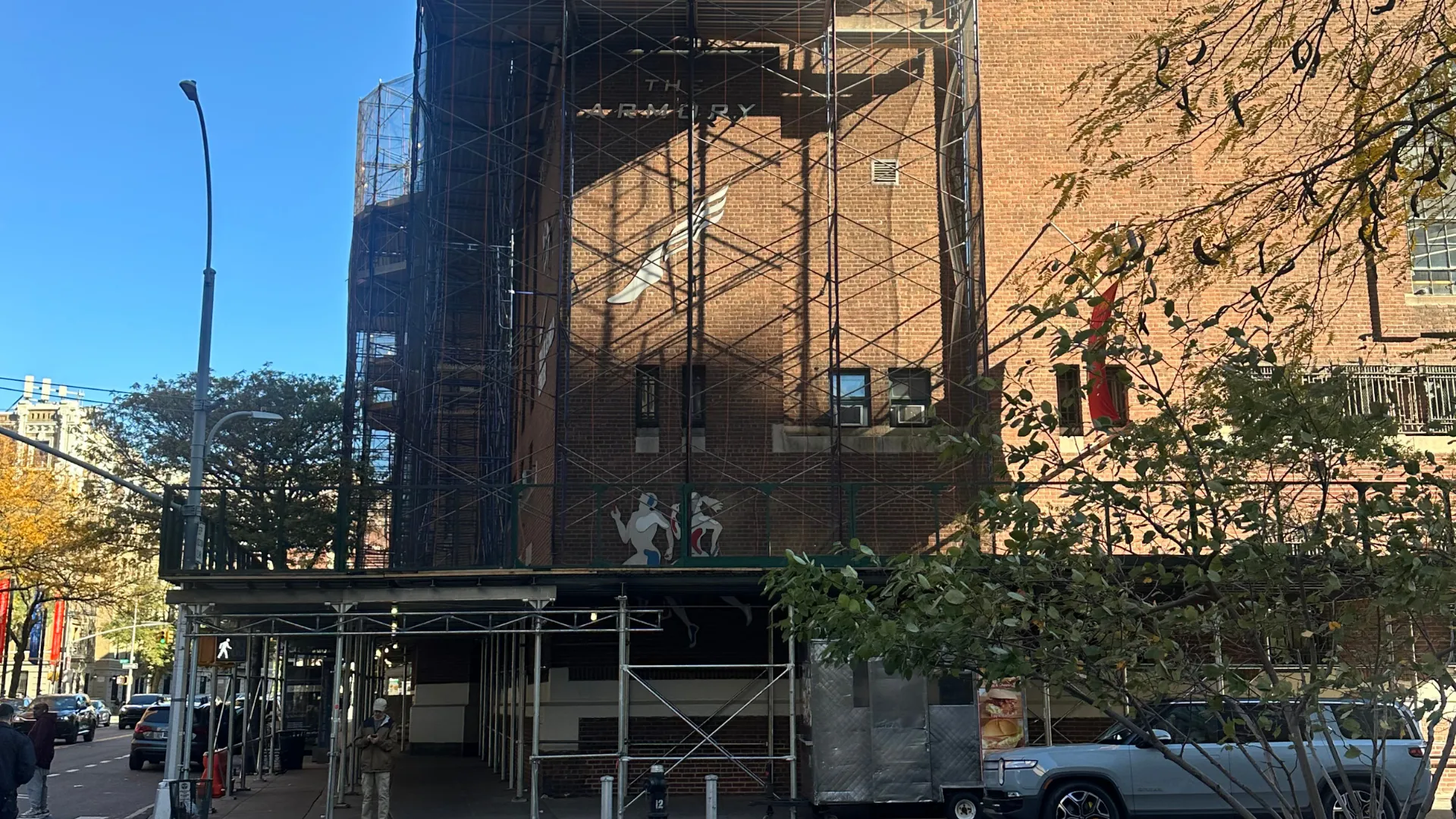
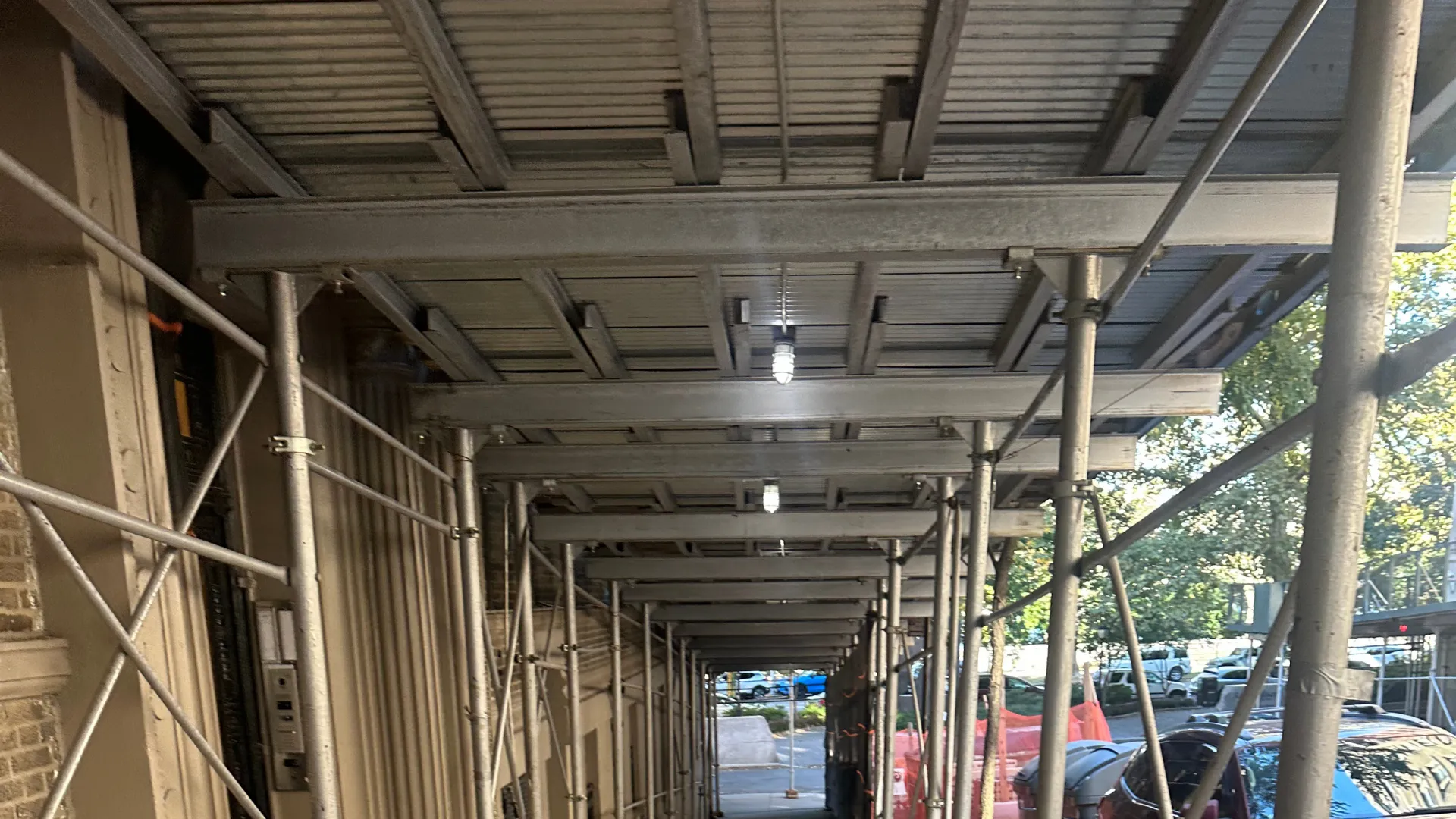
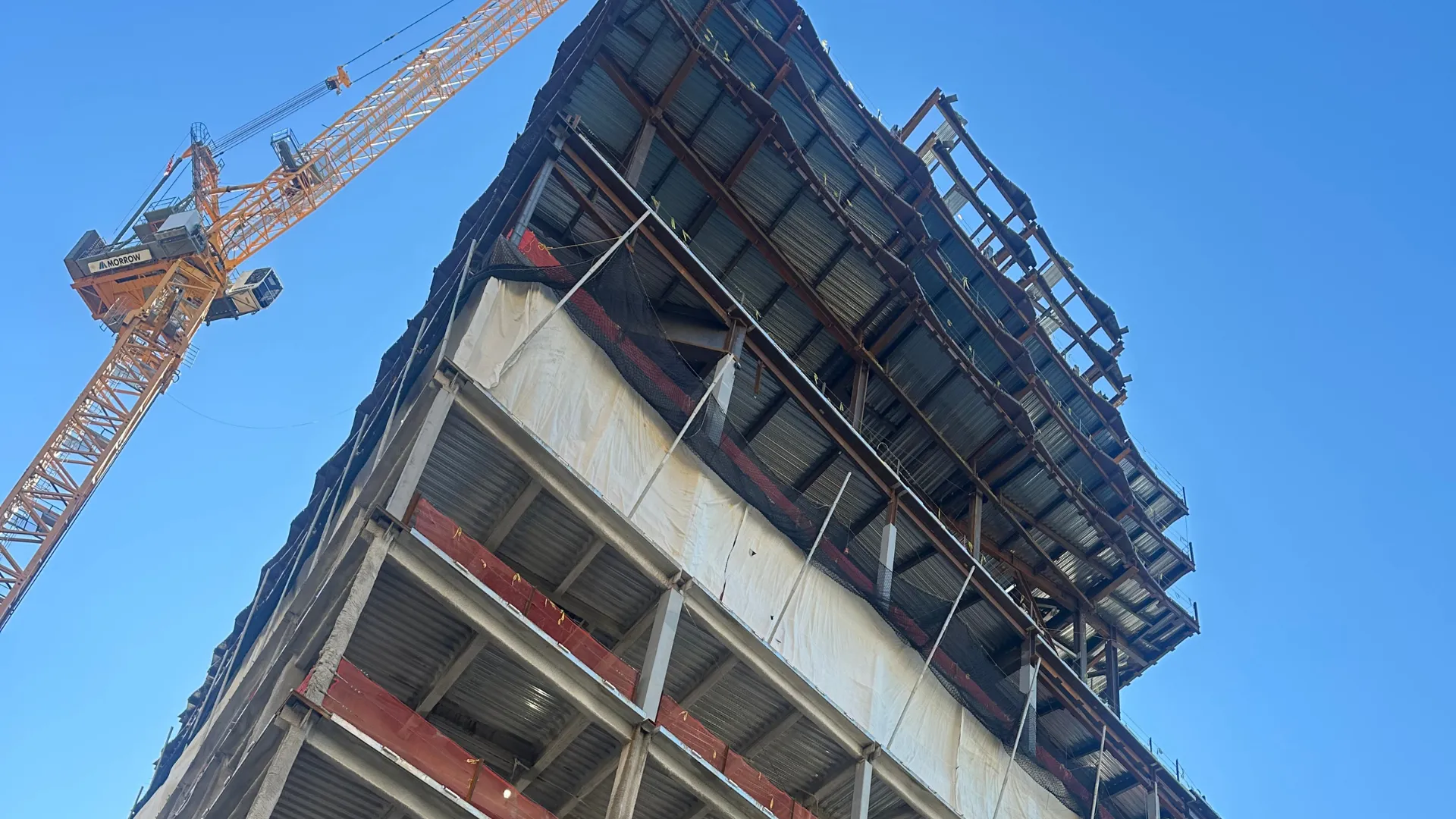
If you have a notice in your hand, take a breath. Most site-safety problems have a specific cause: a missing guardrail, damaged equipment or inadequate protection for people walking below.
This guide by Fort Lee Scaffolding explains what common notices mean, what to do during the first 24 hours and how our crew can correct physical hazards and document the work. It is general information, not legal advice.
Read the document carefully. Record the issuing office, date, alleged problem and required action.
| What the notice describes | What it may mean | Practical first step |
|---|---|---|
| Inadequate pedestrian protection | People below may be exposed to falling objects | Restrict access and arrange suitable overhead protection |
| Missing or expired approval | Required authorisation may be absent | Contact the issuing office before affected work resumes |
| Damaged or uninspected equipment | The structure may be unsafe to use | Take it out of service pending assessment |
| Missing rails or safe access | Fall protection or access is inadequate | Arrange the appropriate corrective work |
| Blocked public walkway | The route may be obstructed or unauthorised | Secure a safe route and confirm the required approval |
Not sure what the notice asks for? Send us a clear photo of every page. We can help identify the physical issue that may need attention.
These documents can look similar, but they come from different authorities and may require different responses.
| Document | Typical issuer | What it means |
|---|---|---|
| Notice of violation | Local building or code official | Identifies an alleged breach and requests correction |
| Stop-work order | Local building or code official | Suspends specified work until the stated conditions are met |
| OSHA scaffolding citation | Occupational Safety and Health Administration | Identifies alleged workplace safety breaches by an employer |
Check exactly which activities are suspended and what the document says must happen next. Do not restart affected work simply because a repair appears complete. Follow the issuing authority's clearance requirements.
An OSHA scaffolding citation is generally directed to an employer and carries its own response deadlines. Read the citation and consult a qualified safety professional or attorney about your options. Review OSHA's penalties page for general information.
Use this as a practical sequence, not a guaranteed response timetable. Your circumstances and the authority's instructions determine what happens next.
Keep workers and the public away from the hazard. Stop the affected activity, establish a safe exclusion area and follow any directions in the notice.
Photograph the document and the condition it identifies. Contact our team to discuss a site assessment and confirm current availability.
Where appropriate, arrange repairs, missing protection or other physical corrections. Record completed work with dated photographs, inspection records and relevant job documents.
A lasting correction addresses the underlying condition, rather than merely making the site look compliant for a photograph.
| Common cause | Practical correction | Who may be involved |
|---|---|---|
| Unprotected public walkway | Install suitable overhead protection and lighting where required | Our crew and the responsible permit holder |
| Missing or expired approval | Contact the relevant office and arrange the required paperwork | Permit holder or owner |
| Damaged or unchecked equipment | Repair or replace affected components and arrange inspection | Our crew and a competent person |
| Missing guardrails or access | Install appropriate rails, toeboards or access equipment | Our crew |
| Poor maintenance records | Establish a repeatable inspection and recording routine | Site manager and responsible personnel |
To fix scaffold violation issues properly, we first need to understand the condition, the notice and the work our team is authorised and equipped to perform. Administrative submissions remain the responsibility of the relevant party.
Keep these records together in a paper folder or shared digital location:
A well-organised folder makes it easier for your representative, insurer or attorney to understand what happened and what has been corrected.
Responsibility depends on the document, the site arrangement and the applicable rules.
| Party | What the notice may mean |
|---|---|
| Property owner | A local notice may be addressed to the owner of record |
| General contractor | The contractor may oversee the work or relevant approvals |
| Employer | Workplace safety citations may be issued to the employer |
| Scaffold company | Our team can correct physical defects within the agreed scope of work |
Unsure who must respond? Ask the issuing office or your attorney. We can assess and correct physical conditions within our service scope without deciding legal responsibility.
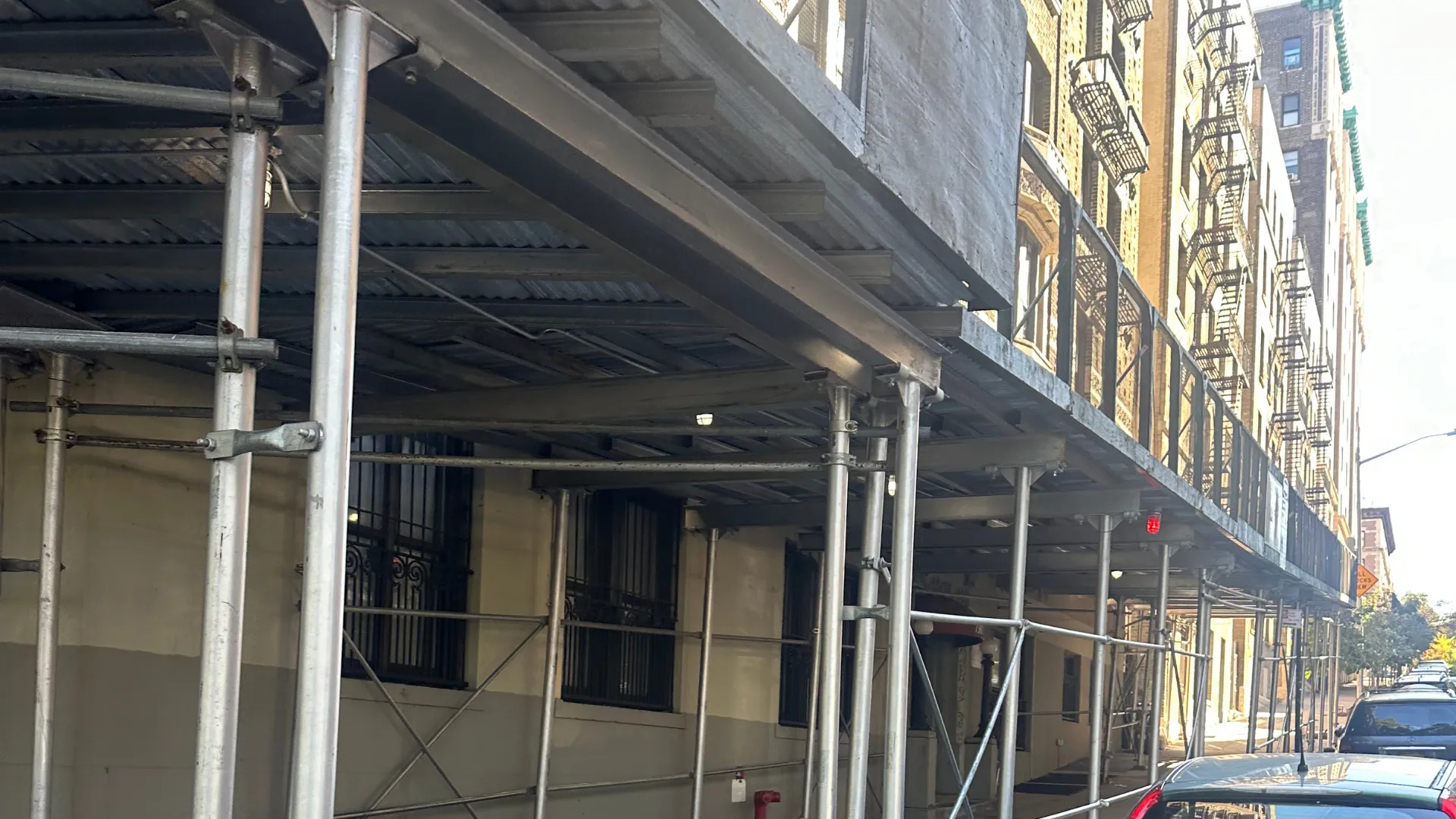
If people are exposed below active work, address that risk first. Our sidewalk shed service can help with overhead protection, lighting and related installation needs, subject to site conditions and availability.
Tell us what the notice identifies, where the work is located and whether the public route is affected. We will confirm what assistance we can provide and when.
Never rely on a general online timeline instead of the date printed on your document. OSHA citations commonly carry a 15-working-day period for an employer to contest them, subject to the applicable rules and circumstances. Check the citation and seek qualified advice promptly.
Local notices have their own response, correction and appeal procedures. The issuing office can explain its requirements. Our OSHA requirements page provides further background on workplace safety rules.
| Question | Who to contact |
|---|---|
| What correction is required, and by when? | Issuing authority |
| Can I appeal or request a hearing? | Issuing authority and your attorney |
| What are my options for an OSHA citation? | OSHA, a qualified safety adviser or attorney |
| Is the equipment safe to use? | Competent person and, where needed, your engineer |
Track expiry dates and renewal reminders, with a named person responsible for checking them.
Arrange checks by a competent person at the required intervals and retain the records.
Put required public protection in place before overhead work begins.
Update approvals, inspection logs, photographs and work records as the job progresses.
Raise unclear conditions with the responsible office or a qualified professional before work proceeds.
Contact an attorney for advice on liability, fines, appeals, insurance disputes or formal responses. Call our team when equipment needs repair, access needs correction or overhead protection needs installation.
Some situations require both. We can coordinate physical corrective work with your attorney or other appointed professionals, within the agreed scope.
A blocked walking route or missing overhead protection can create immediate concerns for customers and passers-by.
Access points, guardrails, equipment tags and inspection records deserve close attention on taller buildings.
Uneven ground can affect base support, levelling and safe access. The setup needs assessment before use.
Small properties may still require suitable edge protection, safe ladder access and controls around the work area.
Beyond Fort Lee: We also serve Edgewater, Cliffside Park, Teaneck and nearby communities, subject to project requirements and availability.
Read the full document, secure any immediate hazard and contact the issuing office about its instructions. Arrange a site assessment to identify and document physical corrections.
A notice identifies an alleged problem and may require correction. A stop-work order suspends specified activities until the stated conditions for resuming work are met.
We prioritise urgent enquiries where possible, but response times depend on crew availability, location and the work required. Call to confirm current availability.
We can correct agreed physical problems and provide relevant photographs, work records and inspection documentation within our scope. The responsible party or its representative must submit any required formal response.
That depends on the issuing authority and the circumstances. We do not negotiate or reduce fines. Ask the authority or your attorney about penalties and available options.
Keep approvals current, arrange required inspections, maintain suitable protection and retain records as the job progresses.
Send us a photo of the complete notice and the job address. We will review the information you provide, discuss the physical issue and explain what corrective work we may be able to undertake.
Disclaimer: This page provides general information, not legal advice. We correct physical equipment and protection problems within our service scope. We cannot guarantee an outcome with any agency or negotiate or reduce fines.